Pest management has long been a necessary service in urban areas, especially in densely populated cities like Singapore. With rising concerns about health, hygiene, and sustainability, the industry has embraced technology to meet modern needs. Nowadays, pest control in Singapore is no longer seen as a preventive measure but a proactive and permanent solution to ensure public safety and protect the environment. From smart monitoring systems to eco-friendly treatments, technological innovation is reshaping how pests are detected, managed, and prevented across residential, commercial, and industrial spaces.
The Growing Need for Modern Pest Management
The tropical climate in Singapore makes the country an easy target for common pests like termites, cockroaches, flies, and mosquitoes. As urban spaces become more compact and interconnected, infestations can spread quickly if not properly managed. Businesses, particularly in the food and hospitality sectors, are under constant pressure to maintain strict hygiene standards. This is why pest control in Singapore has evolved into an important service, combining scientific research with technological advancement. Traditional ways alone are no longer enough, and digital transformation has become a defining factor in the industry’s progress.
Smart Monitoring Systems
One of the biggest technological changes in pest control in Singapore is the adoption of smart monitoring devices. Instead of relying solely on manual inspections, service providers now use electronic traps and remote sensors that can detect pest activity in real time. These devices send alerts to technicians, allowing them to respond quickly and precisely. By gathering data on pest movements and activity levels, companies can track trends and prevent infestations before they get worse. This predictive solution reduces downtime for businesses and gives homeowners peace of mind.
The Role of Artificial Intelligence
Artificial intelligence has also found its place in pest control in Singapore. Through advanced algorithms, AI can analyse large datasets collected from monitoring systems, CCTV footage, and inspection reports to predict where infestations are likely to occur. AI-driven analysis helps technicians identify high-risk zones and design tailored treatment plans that are both efficient and cost-effective. Some companies are even developing AI-powered image recognition tools that can identify different pest species instantly, making inspections quicker and more precise.
Eco-Friendly and Sustainable Solutions
Another key trend is the movement in the industry towards green practices. Since sustainability is a national agenda, pest control in Singapore is adopting non-toxic alternatives and biological methods of control. For instance, mosquito control increasingly depends on the release of sterile male mosquitoes to limit breeding populations. Likewise, termite control has shifted from toxic chemicals to safer baiting systems. Such green practices maintain public safety while supporting Singapore’s green vision.
ALSO READ: 2025’s Best Pest Control Services to Safeguard Your Home Against Unwanted Guests
Drones and Remote Technology
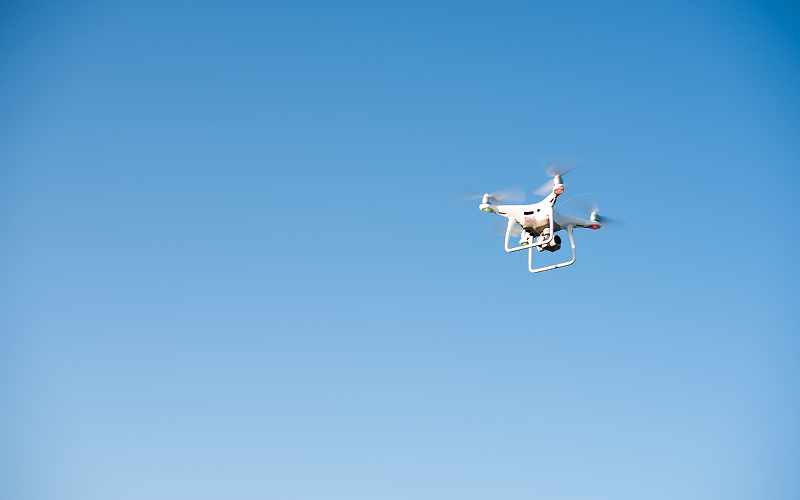
The use of drones has brought efficiency to large-scale pest management, especially in difficult-to-reach areas. In pest control in Singapore, drones are now being deployed to survey rooftops, high-rise buildings, and construction sites where pest activity is hard to monitor manually. Equipped with cameras and sensors, drones provide real-time visuals and data to technicians, reducing inspection times and improving accuracy. Remote technology also minimises human risk, particularly when dealing with wasp nests or hazardous environments.
The Internet Of Things (IoT) In Pest Control
IoT technology is another game-changer for pest control in Singapore. By connecting smart traps, cameras, and sensors to a central system, IoT enables continuous monitoring and data sharing. Businesses can access dashboards that display pest activity levels, treatment effectiveness, and compliance reports. This digital integration not only streamlines operations but also provides transparency for clients, particularly those in industries that undergo frequent health inspections.
Data-Driven Decision Making
With technology creating huge volumes of data, pest control in Singapore has become highly data-driven. Past data on pest movement, seasonal movements, and treatment results enable service providers to create predictive models. These help to improve efficiency, minimise repeat treatments, and facilitate cost savings. For instance, if data points out a repeat occurrence of a mosquito hotspot, preventive actions may be applied before the breeding season starts, preventing outbreaks from occurring at all.
Robotics in Pest Management
Automation and robotics are slowly entering the field of pest control in Singapore. Robotic devices can be used for precision spraying, reducing chemical use while ensuring complete coverage. Some robots are designed to navigate confined spaces such as drainage systems or storage facilities, which are often breeding grounds for pests. As these technologies advance, they are expected to reduce reliance on manual labour and increase consistency in treatment application.
Digital Reporting and Client Communication
In the past, pest control services relied heavily on manual paperwork. Now, digital reporting platforms have become standard for pest control in Singapore. Clients receive detailed reports, complete with photographs, treatment records, and recommendations, directly via mobile apps or email. This enhances accountability and improves communication between service providers and clients. Real-time updates and easy access to records also make it easier for businesses to comply with regulatory requirements.
Enhancing Public Health With Technology
Pest infestations are not just a nuisance—they can pose significant public health risks. By leveraging technology, pest control in Singapore is helping to reduce the spread of diseases such as dengue fever, salmonella, and foodborne illnesses. Smart systems and predictive analytics ensure that outbreaks can be managed more effectively, ultimately safeguarding the well-being of the community. This proactive approach is especially vital in a highly urbanised country where health and safety standards are closely monitored.
ALSO READ: A Practical Guide to Pest Control in Singapore: What Every Homeowner Should Know
Integration With National Initiatives
Singapore’s emphasis on becoming a smart nation has extended to pest management as well. Pest control in Singapore is increasingly aligned with government-led initiatives to use data and technology for urban management. For example, the National Environment Agency (NEA) actively encourages the use of data collection and digital tools for monitoring vectors such as mosquitoes. This collaboration between public agencies and private companies strengthens the city’s overall resilience against pest-related challenges.
Challenges in Adopting New Technologies
Despite the benefits, the adoption of advanced technology in pest control in Singapore also presents challenges. High costs of installation and maintenance can be a barrier, especially for smaller companies. There is also a learning curve for technicians, who must be trained to operate and interpret new systems. Additionally, some clients may be hesitant to adopt digital solutions due to privacy concerns over data collection. However, as awareness grows and technology becomes more affordable, these challenges are expected to diminish.
The Future of Pest Control
Looking ahead, pest control in Singapore will continue to evolve alongside technological advancements. AI and IoT systems are likely to become more integrated, allowing fully automated monitoring and treatment with minimal human intervention. Robotics will play a bigger role, and eco-friendly methods will remain at the forefront of the industry. The ultimate goal is to make pest management more efficient, sustainable, and seamless, ensuring that Singapore remains a safe and hygienic city for all its residents.
Training and Upskilling for a Tech-Driven Industry
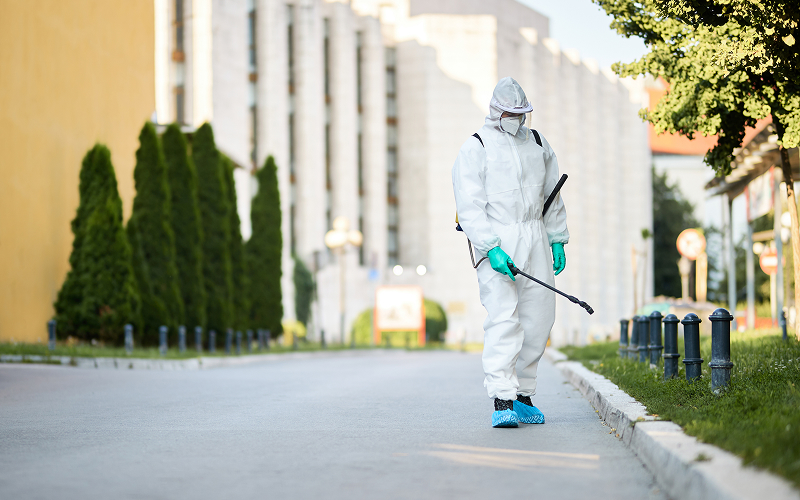
As technology becomes a driving force in pest control in Singapore, the demand for skilled professionals who can adapt to new systems is increasing. Pest control technicians today require more than just basic knowledge of extermination methods—they must also be capable of handling digital platforms, interpreting data reports, and operating advanced equipment such as drones or automated traps. Many service providers are investing in structured training programmes that ensure their staff remain up to date with the latest technological tools.
Upskilling is also aligned with Singapore’s broader workforce development goals. Courses that cover smart monitoring, IoT applications, and data-driven pest management are now being integrated into professional certifications. By combining practical fieldwork with digital literacy, the industry is creating a workforce that is better equipped to address complex pest challenges. This emphasis on training ensures that the benefits of technology are fully realised and that service standards remain high across residential and commercial clients alike.
Consumer Expectations in a Digital Age
Technology has not only changed how services are delivered but also how clients engage with them. For pest control in Singapore, consumers now expect greater transparency, faster response times, and customised solutions. With mobile applications and digital platforms, clients can easily track inspection results, treatment schedules, and real-time updates on pest activity. This level of accessibility creates trust and accountability, which are increasingly important in service-driven industries.
Homeowners and businesses alike also value preventive approaches rather than reactive solutions. With access to predictive analytics and data reports, clients are empowered to make informed decisions about long-term pest management strategies. Many now prefer service providers who can demonstrate the integration of eco-friendly methods alongside smart technologies. As digital engagement becomes standard, companies that embrace these expectations are more likely to build lasting client relationships and maintain a competitive edge.
Conclusion
Technology has transformed many industries, and pest management is no exception. From smart monitoring and AI-driven analysis to eco-friendly practices and digital reporting, the innovations shaping pest control in Singapore are setting new standards for efficiency and sustainability. These advancements not only protect homes and businesses but also enhance public health and support the country’s smart nation vision. As the industry continues to embrace cutting-edge tools, Singaporeans can expect safer and more effective pest management solutions in the years to come. For more insights on emerging lifestyle and technology trends, visit Best Picks to get the latest content.