Singapore’s tropical climate sustains pest breeding throughout the year. Homeowners face infestations from common insects like ants, cockroaches, and mosquitoes. Termites, rodents, and lizards also persist in urban and suburban homes.
Each pest species behaves differently. Cockroaches seek dark, humid corners. Ants search for food trails in kitchens. Mosquitoes lay eggs in stagnant water, while rodents gnaw through structural materials to build nests. Pests thrive when environments offer consistent food, moisture, and hiding spots.
Homeowners in Singapore need constant vigilance. Living in high-density housing means infestations spread quickly. Block-to-block and unit-to-unit pest transfer happens often without barriers. One unsealed bin chute, leaky pipe, or unclean drain serves as a beacon for unwanted guests.
Spotting early signs gives you an edge before you take action on your own or opt for pest control in Singapore. Droppings, scratch marks, musty smells, and visible insects suggest active infestation. Ignoring these triggers invites larger colonies to form. Effective pest control in Singapore begins with understanding what’s at stake—cleanliness, comfort, and in some cases, safety.
Common Household Pests and Their Risks
Every home in Singapore plays host to potential invaders. Among the most persistent, mosquitoes, termites, cockroaches, and rats dominate. Each carries its own risk, from structural damage to disease transmission.
Mosquitoes transmit dengue and Zika viruses. In recent years, dengue cases have surged during warmer months, posing threats to household health. Containers, potted plants, and drains often harbour larvae.
Termites chew through wood, including floors, beams, and built-in wardrobes. Left unchecked, colonies weaken a property’s foundation. Damage becomes costly and irreversible.
Cockroaches contaminate surfaces, especially in kitchens. Their droppings contain allergens and bacteria. These pests hide in cupboards and behind appliances, escaping detection until populations explode.
Rodents present hygiene and safety risks. They carry bacteria like leptospira and salmonella. By chewing wires, pipes, and insulation, rats cause power disruptions and water leaks.
Recognising these risks supports fast action. Homeowners controlling pest presence early avoid long-term damage and costly interventions. Preventive awareness reduces exposure and encourages consistent upkeep. Pest control in Singapore only works with accurate identification and swift response.
Preventive Measures Every Household Should Take
Maintaining a pest-free environment requires routine, not reaction. Prevention begins with addressing basic conditions: cleanliness, structure, and moisture control. Households ignoring routine checks allow infestations to flourish silently.
Homeowners should inspect windows and door gaps for entry points. Seal these with silicone or weatherstripping. Install mesh screens to block insects while allowing ventilation. Fix leaks under sinks and near laundry areas promptly to reduce moisture.
Kitchen areas demand stricter control. Store food in airtight containers. Dispose of waste daily and wash bins regularly. Clear crumbs and grease from cooking surfaces. Ensure drains remain unclogged and dry after use, as this helps reduce the risk of infestation and supports effective pest control in Singapore.
Bedrooms and living spaces require vigilance. Avoid clutter, especially cardboard piles and unused fabrics, as these serve as nesting sites. Clean under furniture and behind shelves weekly.
Outdoor habits affect indoor pest levels. Remove stagnant water from flowerpots, trays, and drains. Prune overgrown bushes near windows. Clear leaf litter where insects may hide.
Sustaining these practices keeps pest attraction low. Pest control in Singapore becomes easier when habits reinforce cleanliness. Passive defence wins half the battle before chemicals or interventions enter the picture.
Spotting Early Signs of Infestation and Knowing When to Act
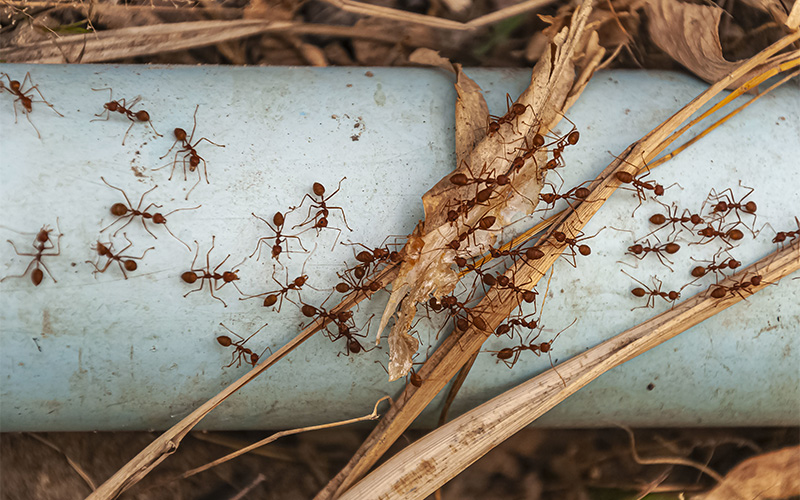
Pests rarely appear out of nowhere and subtle signs build up before a full-blown infestation becomes visible. Acting early prevents the need for extensive treatment and property repair. Homeowners must know how to read the warnings before making decisions to opt for pest control in Singapore.
Cockroaches leave droppings that resemble ground coffee, often found near cupboards or behind refrigerators. A strong musty smell follows large infestations. Greasy smear marks on floors or tiles also point to their movement.
Termites remain harder to detect. Signs include hollow-sounding wood, mud tubes on walls, and discarded wings near windowsills. Sometimes, soft clicking sounds come from walls, a clue to colony activity inside structures.
Rodents give themselves away through gnaw marks on furniture, exposed wiring, or leftover food packaging. Scratching or scurrying noises in ceilings during the night often confirm their presence. Their droppings appear pellet-shaped and are found near walls or corners.
Mosquitoes require visual checks around stagnant water. If bites occur regularly indoors, chances are high that breeding happens nearby. Dengue clusters marked in residential zones also warrant immediate preventive steps.
Identifying even one sign justifies immediate attention. Homeowners relying on hope or delay invite greater pest expansion. Pest control in Singapore remains most effective when deployed before colonies mature.
Engaging a professional at the right time avoids high extermination costs later. DIY methods suit light infestations, but recurring symptoms suggest deeper problems. Hesitating or guessing only strengthens pest hold over the space. The earlier one acts, the less invasive the intervention becomes.
DIY Methods vs Professional Pest Control: What Works
Every homeowner considers tackling pests independently before calling experts on pest control in Singapore. Supermarkets sell insecticides, baits, traps, and sprays. DIY options help manage small outbreaks but fail to resolve embedded infestations.
Surface-level cockroach sprays only reduce visible pests. Nests hidden inside cabinetry, behind walls, or under tiles remain untouched. Homemade traps catch rodents but seldom eliminate the breeding cycle. Mosquito coils repel for hours, not days. In most cases, these methods serve as stopgaps, not solutions.
Professional pest control in Singapore uses targeted strategies. Companies inspect entire properties, identifying species and habitats. They apply gel baits, fogging, or insect growth regulators specific to the infestation type. Termite baiting systems and residual sprays often come into play.
Licensed teams for pest control in Singapore also understand pesticide handling. They apply chemicals legally approved under Singapore’s NEA regulations. This ensures human and pet safety while securing maximum pest control.
DIY users risk misapplication. Overuse of sprays causes chemical build-up indoors. Incorrect placement of rodent baits exposes children and pets to toxins. Lack of understanding leads to misuse without long-term relief.
Professionals deliver safe, lasting solutions backed by inspection, treatment, and follow-up. Homeowners seeking peace of mind turn to them when DIY fails. Pest control in Singapore works better through trained hands equipped with proven tools. Skipping expert help only drags the problem forward.
Professional Services: What to Expect During Treatment
Every professional pest control in Singapore must begin with site inspection. Technicians walk through the home, assessing the layout, ventilation, and problem areas. They identify nesting points, entryways, and high-risk zones. Each pest type triggers a different treatment plan.
For ants or cockroaches, experts apply gel baits in concealed zones—under sinks, behind drawers, or within cabinetry gaps. These baits attract pests, which then carry poison back to the colony. Fogging treats broader indoor spaces, reaching pests in hidden voids.
Mosquito pest control in Singapore must include larvicide treatment in stagnant water, followed by misting over outdoor vegetation. This targets adult mosquitoes and prevents new generations from breeding.
Rodent management begins with setting up bait stations or traps near activity zones. Professionals seal entry points using wire mesh or concrete fillers. Some use UV tracking powder to trace rodent movement paths.
On the other hand, termite pest control in Singapore would often require more complex methods. Technicians install baiting systems around the home’s perimeter. These systems use cellulose mixed with slow-acting toxins, which workers bring back to their colony. Full extermination may take weeks, with follow-up visits scheduled regularly.
Expect to clear spaces before treatment. Technicians may request access to wardrobes, drawers, or kitchen cabinets. Post-treatment guidelines include ventilating rooms and keeping surfaces dry.
Every pest control in Singapore must follow strict operational standards. Clients receive detailed reports, outlining treatment steps, chemicals used, and follow-up schedules. This transparency builds trust while ensuring safety during the entire process.
Post-Treatment Care: What to Do After Professional Pest Control
Treatment doesn’t end after technicians leave. Post-treatment care plays a vital role in extending pest-free periods and reducing rebound infestations. Many homeowners neglect this phase, giving pests room to return faster.
Ventilation comes first. Open windows and switch on fans for a few hours. This helps disperse residual chemicals, even if low-toxicity formulations were used. Surfaces treated with gel or bait should remain untouched. Avoid cleaning these areas for several days, as wiping reduces effectiveness.
Food safety matters. Discard any uncovered food left out during treatment. Clean utensils, plates, and countertop appliances. Wash fabrics exposed to misting, such as table runners or cushions. These steps prevent ingestion of chemical residues, however minimal.
Observe pest activity for several days. Some insects may still emerge as colonies die off. Sightings reduce over time, not instantly. Dead pests, especially cockroaches or ants, indicate that bait works. Sweep or vacuum them promptly.
Avoid DIY interference after treatment. Adding over-the-counter sprays may conflict with professional products and reduce their efficacy. Professionals of pest control in Singapore often advise waiting periods before any additional measures.
In cases involving rodents, technicians may schedule return visits to check traps and remove dead pests. Report any new droppings or scratch sounds immediately. Re-entry of rodents through alternative access points remains a possibility if sealing is incomplete.
Pest control in Singapore works best with shared responsibility. Technicians apply the solutions, but homeowners must support results with careful post-treatment upkeep. Clean spaces, proper food storage, and regular checks complement chemical efforts, keeping homes consistently protected.
6 Long-Term Prevention Strategies for Singapore Homes
One-off treatment solves the immediate problem but doesn’t guarantee future immunity. Sustainable pest control means integrating long-term prevention into daily routines. Singapore’s humid climate encourages recurring pest cycles, especially in poorly maintained environments.
1. Regularly Schedule Inspections
Schedule quarterly inspections, especially in high-risk areas like kitchens, storerooms, and garden patches. Professionals often offer maintenance plans covering repeat visits and treatment updates. Regular assessments keep pest populations under control before they grow.
2. Declutter to Reduce Hiding Spaces
Homes filled with unused boxes, papers, and textiles allow pests to hide undetected. Dispose of unnecessary items, especially in storerooms or wardrobes. Avoid piling cardboard boxes, which attract cockroaches and silverfish.
3. Structural Vigilance Helps Prevent Intrusion
Check cracks around windows, walls, or floor skirting. Seal these using weatherproof caulking. Repair leaking pipes or blocked drainage that attract ants and mosquitoes.
4. Pay Attention to Outdoor Surrounding
Clear overgrowth near external walls. Ensure bins have tight lids and get cleaned frequently. Rubbish left out overnight becomes a feeding ground. Wash bin chutes monthly, especially in multi-storey dwellings.
5. Moisture Control Serves as a Foundational Tactic
Use dehumidifiers or exhaust fans in damp zones like bathrooms or laundry rooms. Drying the air reduces mould, which in turn decreases insect attraction.
6. Food Hygiene Must Remain Non-Negotiable
Keep pantry goods sealed. Wipe crumbs and spills immediately. Empty sink traps and avoid overnight dish piles. Insects thrive where routine breaks down.
Pest control in Singapore requires consistency. Households that treat prevention as an ongoing task face fewer outbreaks. Habits determine the outcome more than any single chemical solution. Routine keeps homes several steps ahead of infestation.
Legal Considerations and Public Health Compliance
Pest control isn’t just a private concern—it intersects with legal and public health expectations in Singapore. Ignoring infestations not only risks household safety but also invites penalties in shared properties.
Under Singapore’s Environmental Public Health Act, owners of residential or commercial premises must ensure pest-free conditions. NEA (National Environment Agency) regulates pest control practices. Violations, especially those leading to dengue breeding or rodent spread, may attract fines or legal action.
For HDB dwellers, responsibilities include reporting persistent infestations to town councils. Refusing to address problems in shared spaces affects neighbours and building health. Multi-unit blocks experience fast pest transmission, so cooperation becomes critical.
Engaging licensed pest control professionals ensures compliance. Companies must hold NEA-issued licenses and follow standard procedures during treatment. Always request documentation before hiring. Legal providers issue service reports outlining treatment scope, substances used, and follow-up plans.
Landlords face additional responsibilities. They must maintain pest-free units between tenant turnovers. Failure to do so risks deposit disputes, reputational damage, and compliance issues. Tenants can lodge complaints with HDB or URA if infestations persist unresolved.
Condo residents should inform management councils about recurring issues. Joint pest control services often cover shared areas like bin rooms, gardens, or carparks. Aligning household efforts with estate plans enhances efficiency.
Pest control in Singapore must respect legal frameworks. Treating infestations as private inconveniences ignores wider impacts. Proactive, legal, and coordinated responses serve both property and public health interests.
Choosing the Right Pest Control Partner in Singapore

Selecting a reliable pest control provider determines whether your home stays safe long after treatment. With many services offering pest control in Singapore, choosing wisely helps avoid ineffective work, hidden charges, or unsafe chemical use.
Begin by checking credentials. Only hire companies licensed by Singapore’s National Environment Agency (NEA). These providers meet strict safety and efficacy standards. Licensed teams follow approved procedures and use government-authorised chemicals, ensuring that treatments won’t compromise your family’s health.
Request a property inspection before agreeing to any service. Legitimate companies conduct thorough checks and discuss specific needs. Avoid services offering one-size-fits-all solutions without assessing your property. Each pest type—whether cockroach, termite, or rodent—requires a unique treatment method. Improper treatment only offers short-term relief.
Always ask for a clear written quotation. This should outline costs, number of visits, chemical types, and any warranties. Avoid vague packages that fail to explain service details. Transparent pricing protects your budget and eliminates surprise fees.
Experience matters. Established firms bring years of practice dealing with infestations across different housing types—from landed properties to condominiums and HDB units. Ask for references or read reviews. Past performance reflects future reliability.
Post-treatment support also sets good companies apart. Look for pest control services offering follow-up checks or free repeat visits within a specific timeframe. Effective pest control in Singapore includes monitoring, not just a one-time visit.
Communication remains key. Choose companies responsive to questions and capable of explaining steps in detail. Pest control professionals should advise on prevention, post-care, and safety, not just spray and go.
By selecting qualified, transparent, and responsive providers, homeowners ensure value for money. Pest control becomes a lasting solution—not a recurring headache.
ALSO READ: 2025’s Best Pest Control Services To Safeguard Your Home Against Unwanted Guests
Misconceptions About Pest Control: What Homeowners Get Wrong
Many people hold inaccurate beliefs about pest control. These myths lead to poor decisions and delayed interventions, worsening infestations.
One common misconception involves clean homes. People often assume pests only infest dirty environments. In reality, pests look for shelter, moisture, and food—regardless of tidiness. Even spotless homes with leaky pipes or uncovered drains attract insects and rodents.
Another false belief claims that DIY sprays solve everything. Supermarket insecticides offer temporary relief but fail to eliminate eggs, nests, or colonies. Sprays only kill visible pests, leaving underlying problems untouched. Relying on them without professional input often prolongs infestations.
Some homeowners think pest control only works once. Many pests return if underlying causes persist. Without sealing entry points or removing attractants, infestations reappear weeks or months later. Ongoing prevention—not one-off treatment—ensures results.
A major myth suggests that all chemicals used in pest control are harmful. Licensed providers use low-toxicity and environmentally approved formulations. Professionals apply them safely, keeping humans and pets protected. DIY users often mishandle these substances, increasing risk.
People also overestimate the cost of professional pest control in Singapore. While prices vary, many pest control services offer packages tailored to housing types and infestation severity. Delaying professional help leads to more damage and higher eventual expenses.
Dispelling these myths allows homeowners to act faster, smarter, and more confidently. Trusting only facts ensures better control, less damage, and a safer living space.
Pest Control and Property Value: The Long-Term Impact
Infestations harm more than health—they also damage property value. Whether planning to sell or rent, pest issues decrease a home’s market appeal and price.
Potential buyers perform visual inspections. Signs of termites, rat droppings, or roach infestations raise red flags. Buyers associate pests with poor maintenance. Even if problems appear small, suspicion alone can lower offers or stall deals.
For rental properties, pest presence drives tenants away. Word spreads quickly through online reviews or social media. One pest sighting leads to reputation damage that landlords struggle to undo.
Termites pose long-term structural risks. Wooden flooring, door frames, and beams weaken over time, even without obvious signs. Unseen damage compromises integrity and leads to expensive renovations. Mould and rot caused by rodent urine or droppings further devalue interiors.
Preventive pest control maintains not just hygiene but real estate worth. A well-maintained pest-free property earns trust. Documentation of routine pest management adds credibility during buyer or tenant negotiation.
Pest control in Singapore plays a hidden yet essential role in asset protection. Consistent upkeep reflects pride of ownership—something buyers and tenants value highly.
Eco-Friendly Pest Control Options in Singapore
As environmental awareness grows, many homeowners prefer greener alternatives to traditional pest treatments. Eco-friendly pest control in Singapore is gaining popularity as safe, effective, and sustainable options become available.
Botanical-based sprays use plant-derived ingredients like neem or pyrethrum to repel or kill pests. These products biodegrade faster and present less toxicity to humans, pets, and surrounding environments. Though slightly slower acting, they provide comparable results for light to moderate infestations.
Biological control methods use natural predators or beneficial organisms. For example, introducing larvae-eating fish in ornamental ponds helps control mosquito breeding. Similarly, predatory nematodes applied in soil fight termite infestations at the root.
Integrated Pest Management (IPM) takes an eco-sensitive approach. Instead of spraying all surfaces, IPM combines monitoring, mechanical traps, physical barriers, and low-risk treatments. This method targets root causes—moisture, access points, and food sources—while reducing chemical use.
Eco-conscious homeowners should confirm whether providers offer such solutions. Many pest control companies in Singapore now carry green certifications or promote environmentally responsible practices.
Opting for eco-friendly pest control allows homeowners to maintain safety without compromising sustainability. It also appeals to families with young children, pets, or health sensitivities.
The Role of Technology in Modern Pest Control
Technology transforms pest management into a data-driven science. Modern pest control in Singapore now includes digital tools, tracking systems, and precision treatment techniques.
Thermal imaging detects termite activity behind walls or under floors, revealing hidden infestations early. Technicians use these cameras to locate hotspots without damaging property. This precision reduces guesswork and increases treatment accuracy.
Sensor-based traps monitor rodent movement 24/7. These smart traps send real-time data to pest control teams, enabling faster response and targeted treatment. Some systems even alert users via mobile apps.
Drone inspections assist in hard-to-reach spaces like roof gutters or external wall crevices. Technicians gather aerial images to assess pest entry points or nesting zones. This proves especially useful in landed properties or large commercial buildings.
Software platforms help companies track treatments, monitor follow-ups, and manage inspections efficiently. Digital reporting offers clients greater transparency and confidence.
Ultrasonic repellents, while still debated, also provide chemical-free repelling options. These devices emit sound waves designed to disturb rodents or insects.
Technology enhances accuracy, speed, and sustainability. By choosing providers who integrate such tools, homeowners experience a higher standard of pest control service.
Final Thoughts: Taking Control Before Pests Take Over
Pests don’t wait for permission—they invade silently, thrive discreetly, and multiply quickly. Homeowners in Singapore must stay proactive, not reactive. Acting fast ensures comfort, health, and peace of mind.
Start by building awareness. Know what pests to expect and how they behave. Identify signs early. Adopt routines that reduce attraction—seal gaps, eliminate moisture, and store food correctly.
Reject myths and poor assumptions. Pest control isn’t just for dirty homes or visible infestations. Professional pest control services offer value, safety, and precision that DIY solutions often fail to match.
Choose service providers carefully. Rely on licensed professionals who conduct thorough inspections and offer follow-up support. Demand clarity, experience, and transparency. Look beyond price—invest in outcomes.
Pest control in Singapore protects more than surfaces. It safeguards your family’s health, your property’s value, and your everyday comfort. With the right habits, support, and vigilance, homeowners win the battle long before pests take root.
Explore more lifestyle, health, and travel guides by visiting Best Picks—your trusted source for practical living insights in Singapore.