Learning the piano is a rewarding experience that offers both creative expression and cognitive benefits. Whether you’re a complete beginner or someone returning to the keys after a long break, starting piano lessons requires more than just enthusiasm. From choosing the right instructor to setting realistic goals, there are several important considerations to make your musical journey smooth and enjoyable. This guide will walk you through what to think about before committing to piano lessons in Singapore.
Understanding Your Motivation
Before enrolling in piano lessons, it’s essential to reflect on why you want to learn the instrument. Are you pursuing it as a hobby, aiming to reach a professional level, or simply fulfilling a lifelong dream? Your motivation can shape the structure and intensity of your piano lessons. For instance, casual learners may prefer once-a-week classes, while aspiring performers might need a more rigorous schedule. Understanding your purpose allows you to set realistic goals and ensures long-term enjoyment and commitment.
Choosing The Right Instructor
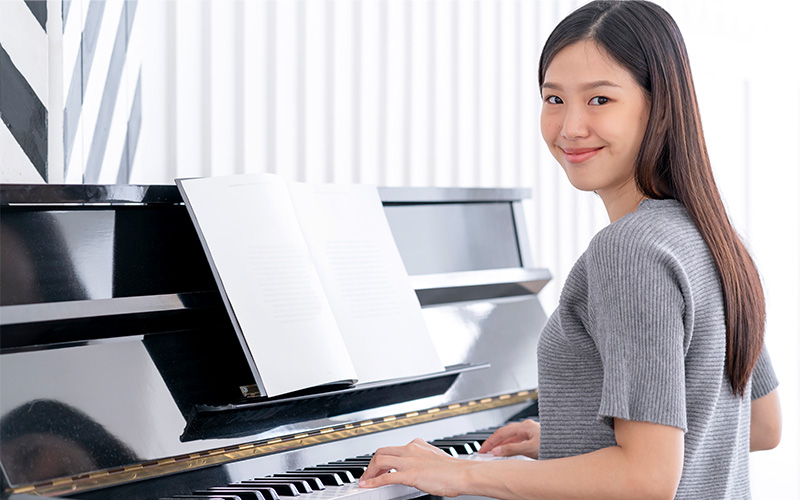
A qualified and compatible teacher can make a world of difference in your progress. Piano lessons should not just be about techniques but also about musical expression, discipline, and inspiration. Whether you’re selecting a private tutor or enrolling in a music school, it’s wise to research their teaching credentials, student testimonials, and teaching style. Some instructors specialise in classical training, while others focus on pop or jazz genres. Find someone whose expertise aligns with your interests and learning pace to make each lesson both engaging and effective.
Deciding Between Online And In-Person Learning
In Singapore, both online and face-to-face piano lessons are readily available. Each format has its advantages. In-person sessions provide hands-on guidance and immediate feedback, which are vital for mastering posture and hand techniques. On the other hand, online piano lessons offer convenience and flexibility, especially for busy professionals or students with packed schedules. Whichever you choose, ensure the mode of instruction suits your learning habits and lifestyle. Reliable internet connectivity and a proper setup are key for online learning, while in-person classes might require commuting time.
Assessing Time Commitment
Learning an instrument requires consistency and discipline. Before starting piano lessons, assess your weekly schedule to determine how much time you can devote not only to classes but also to practice sessions. Progress is closely tied to practice. If you’re unable to commit to regular practice, even the best piano lessons may not yield satisfying results. Allocate at least 30 minutes a day to reinforce what you’ve learned, and try to treat practice time as a non-negotiable part of your routine.
Selecting The Right Instrument
You don’t need a grand piano to start learning, but having access to a proper instrument is crucial. For beginners, a digital piano with weighted keys can be a cost-effective and space-saving alternative. However, if your piano lessons are geared toward classical or examination purposes, an acoustic piano may be a better long-term investment. Try different models before buying to find one that matches your comfort and musical tone preference. Having an instrument you enjoy playing will encourage more frequent practice.
ALSO READ: Top Reasons Why You Should Enrol in a Singapore Dance Academy
Understanding Lesson Structure

Different instructors and schools structure their piano lessons in various ways. Some follow a strict syllabus aligned with grading exams such as ABRSM or Trinity, while others take a more flexible, student-led approach. It’s important to know how your lessons will be conducted. Will you start with basic music theory or jump straight into playing? Will you receive homework or pieces to practise weekly? Clarifying these aspects helps align your expectations and keeps your learning process smooth and goal-oriented.
Setting Realistic Goals
Progress in piano lessons depends largely on consistent effort, and it’s important to set achievable goals from the outset. Whether it’s learning your favourite song within three months or passing a grade-level exam in a year, setting benchmarks can keep you motivated. Talk to your teacher about these objectives so your piano lessons are tailored to help you reach them. Avoid comparing your pace with others; everyone learns differently, and personal improvement is more meaningful than competition.
Considering Budget
Piano lessons in Singapore vary widely in cost depending on the teacher’s qualifications, lesson format, and location. Private lessons typically cost more but offer personalised attention, while group classes may be more affordable but less tailored. Additionally, consider the cost of learning materials, books, examination fees, and instrument maintenance. Being financially prepared ensures that you can sustain your piano lessons over time without stress or interruption. Remember, quality instruction is an investment in your musical journey.
Factoring In Age And Learning Style
Contrary to popular belief, it’s never too late to start piano lessons. Children often pick up new skills quickly, but adult learners bring discipline and focus to the table. Whether you’re five or fifty-five, your age should not deter you. What’s more important is choosing an instructional method that suits your learning style. Some may thrive on visual cues and diagrams, while others prefer audio-led sessions or reading sheet music. Customising your approach helps you get the most from each class.
Preparing Mentally And Emotionally
Starting piano lessons is as much a mental and emotional commitment as it is a physical one. Be prepared for days when progress feels slow or when a particular piece seems impossible to master. Building resilience and patience is part of the learning curve. A good teacher will help you navigate challenges with encouragement. Celebrate small wins, and don’t be too hard on yourself. A positive attitude will keep your piano lessons enjoyable and fulfilling in the long run.
Conclusion
Taking up piano lessons is an enriching experience that brings a lifetime of joy, discipline, and personal growth. From understanding your motivation and finding the right instructor to ensuring consistent practice and budgeting wisely, there are many factors to weigh before committing to this musical journey. Whether you’re playing for leisure or aiming for grades, preparing yourself thoughtfully can make all the difference.
Visit Best Picks for more expert tips on learning music and to stay updated on the best resources for piano lessons in Singapore.