Western cuisine has steadily gained popularity across the globe, including Singapore, where food culture is already diverse and dynamic. From American-style burgers and fries to Italian pastas and French pastries, the influence of Western dishes is evident in hawker centres, restaurants, and even home kitchens. While these flavours have broadened the culinary landscape, the health implications of consuming such meals, particularly when linked to fast food, cannot be overlooked. Understanding how this cuisine affects health allows individuals to make the right choices about diet and lifestyle.
The Allure of Western Cuisine
One reason Western cuisine has captured the attention of Singaporeans is its novelty and variety. Dishes like pizzas, steaks, and sandwiches offer tastes that are distinct from local Asian staples. For many, Western dishes represent convenience and indulgence, as many options can be ordered quickly and enjoyed on the go. The appeal of fast food chains serving burgers and fried chicken lies in their affordability, accessibility, and marketing that resonates with younger demographics. Yet, the frequent consumption of such meals raises questions about long-term health.
Nutritional Concerns Linked to Fast Food
The most significant impact of fast food, a major component of Western cuisine, lies in its nutritional profile. Many fast food items are high in saturated fats, sodium, and refined sugars. Consuming such meals regularly can increase the risk of obesity, hypertension, and heart disease. While traditional Singaporean dishes may also contain oils and rich sauces, the portion sizes and frequency of consumption in fast food culture often amplify these concerns. Western dishes in this form tend to prioritise taste and convenience over balanced nutrition.
Rising Obesity and Lifestyle Diseases

Western cuisine, when dominated by fast food, has been closely linked with rising obesity rates across the world. Singapore, known for its growing emphasis on healthy living, faces similar challenges as more families turn to Western dishes for their ease. Obesity not only affects appearance but also increases the likelihood of type 2 diabetes, cardiovascular issues, and joint problems. Public health authorities have noted that the growing influence of fast food dishes requires stronger awareness campaigns to encourage balanced diets.
Western Cuisine and Portion Sizes
Another aspect of Western cuisine is its portion sizes. Meals are often larger compared to traditional Asian servings, which are usually more modest. Oversized servings of pasta, pizza, or fried chicken can lead to higher caloric intake, often without the diner realising it. This cultural difference in portioning can have a direct impact on health when repeated regularly. In Singapore, adapting Western dishes to smaller, more balanced servings could help mitigate some of these effects.
The Role of Marketing and Media
Fast food chains and restaurants serving Western cuisine rely heavily on marketing to drive demand. Bright advertisements, combo meals, and limited-time offers are designed to entice consumers. Children and young adults are particularly susceptible to these messages, creating habits that may extend into adulthood. The glamorisation of Western dishes in movies, television, and social media further amplifies their presence. This marketing environment makes it harder for healthier eating practices to take root without conscious effort.
Western Dishes and Sugar Intake

Western cuisine is not only about savoury dishes but also sweet indulgences such as cakes, doughnuts, and milkshakes. The high sugar content of these foods contributes to increased risks of dental problems, diabetes, and weight gain. Singapore’s popularity with Western-style cafés has brought artisanal desserts into the mainstream, making sugar-laden treats more accessible. While occasional indulgence is not harmful, making it a routine part of the diet can have long-term consequences.
Positive Aspects of Western Cuisine
Despite the health risks associated with fast food, Western cuisine is not entirely negative. Many dishes incorporate wholesome ingredients such as lean meats, vegetables, and whole grains. For example, Mediterranean-style Western dishes emphasise olive oil, fish, and fresh produce, which are considered heart-healthy. When prepared thoughtfully, Western dishes can complement a balanced diet. In Singapore, restaurants and home cooks are increasingly adopting healthier cooking methods that reduce oil and incorporate fresh ingredients.
Cultural Fusion and Adaptation
Singapore’s multicultural food scene has led to creative adaptations of Western cuisine. Local chefs often combine elements of Western dishes with Asian spices and cooking styles. While this fusion can enhance flavour and variety, it also presents an opportunity to make fast food dishes healthier. Using smaller portions of cheese, reducing fried components, or substituting refined carbs with brown rice and whole wheat bread are practical ways to create balance. This adaptability shows that Western dishes do not have to compromise health when consumed mindfully.
The Link Between Western Cuisine and Sedentary Lifestyle

Another indirect effect of Western cuisine is its association with sedentary lifestyles. Fast food culture often promotes quick meals eaten in front of screens, reducing opportunities for mindful eating. Large meals paired with sugary drinks may encourage lethargy instead of activity. In contrast, traditional dining in Asian cultures often involves family meals and shared portions, encouraging slower and more social eating habits. Recognising this shift can help Singaporeans adopt healthier routines alongside dietary adjustments.
Fast Food and The Younger Generation
Children and teenagers are among the biggest consumers of fast food dishes, particularly fast food. With busy school schedules and extracurricular activities, parents often choose convenience over cooking. This early exposure shapes their palate, making them more inclined to prefer Western dishes over traditional options. The result is a generation that risks carrying unhealthy dietary preferences into adulthood. Encouraging young people to enjoy balanced versions of Western cuisine is vital for their long-term well-being.
ALSO READ: The Best Pizza Hacks for Health-Conscious Pizza Lovers
Western Cuisine in Workplace Culture
Workplace habits in Singapore also reflect the growing influence of Western cuisine. Fast food lunches, takeaway pizzas for meetings, and coffeehouse pastries have become commonplace. These practices contribute to irregular eating patterns and excessive calorie consumption. Companies that provide healthier catering options can help shift workplace culture away from over-reliance on fast food. Employees who make conscious choices, such as opting for salads or grilled options, can also counteract negative health outcomes.
Western Cuisine and Cardiovascular Health
A diet heavy in fried foods, processed meats, and refined carbohydrates, common elements of Western dishes, has been linked to higher cholesterol levels and clogged arteries. Cardiovascular health is one of the most concerning areas impacted by fast food culture. However, this does not mean that all Western cuisine is harmful. Grilled salmon, roasted vegetables, and whole-grain pasta are examples of healthier alternatives that can still satisfy cravings for Western flavours. The key lies in selection and moderation.
Government and Community Initiatives
Singapore has already implemented measures to address unhealthy eating, including health promotion campaigns and food labelling schemes. Recognising the role of Western dishes in shaping diets, these initiatives encourage the public to choose healthier versions of popular dishes. Some fast food chains have also introduced salads, fruit sides, and reduced-sugar drinks to meet consumer demand for better options. Schools and workplaces play an essential role in reinforcing these habits. By highlighting the healthier side of Western cuisine, communities can reduce the risk of diet-related illnesses.
Balancing Western Cuisine With Local Options
For Singaporeans, eliminating fast food dishes is neither realistic nor necessary. Instead, balance should be the goal. Incorporating traditional Asian dishes rich in vegetables, fish, and rice with occasional Western dishes creates variety without overwhelming the diet with unhealthy choices. Portion control, healthier cooking methods, and mindful indulgence can ensure that Western cuisine complements rather than compromises health. This balanced approach allows individuals to enjoy the best of both worlds while safeguarding their well-being.
Moving Towards Mindful Eating
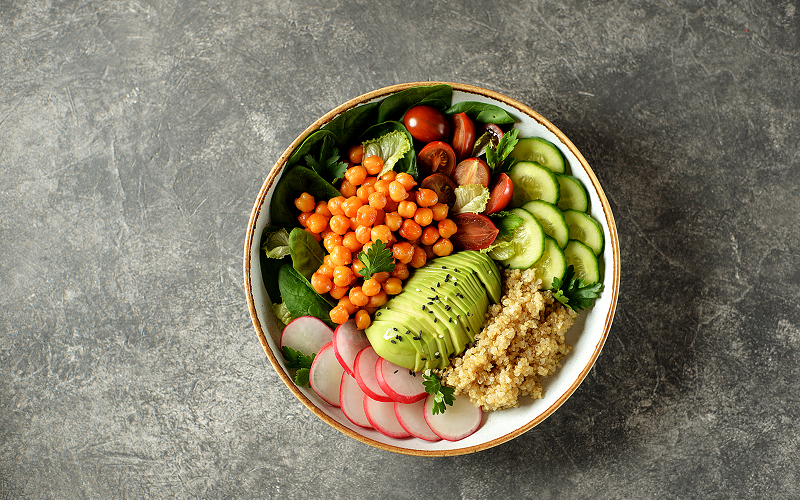
Mindful eating practices encourage individuals to pay attention to portion sizes, ingredients, and hunger cues. Applying this approach to Western cuisine can significantly improve its impact on health. Choosing water over sugary drinks, opting for baked rather than fried items, and slowing down during meals are simple but effective practices. In Singapore, where food is a central part of culture, mindful eating ensures that Western dishes can be enjoyed without compromising long-term health goals.
The Future of Western Cuisine in Singapore
As Singapore continues to embrace global food trends, Western cuisine will remain a prominent feature. The challenge lies in steering consumption towards healthier forms of Western dishes while reducing reliance on fast food. With more people becoming health-conscious, restaurants and food brands are expected to innovate and provide nutritious alternatives. This evolution could mean that Western cuisine plays a role in promoting healthier diets rather than undermining them. Beyond commercial establishments, home cooks are also experimenting with healthier recipes, substituting refined ingredients with whole foods and exploring plant-based versions of classic Western dishes. Such creativity ensures that Western cuisine adapts to Singapore’s growing focus on wellness and sustainability.
Conclusion
The influence of Western cuisine on health is significant, particularly when linked to fast food culture. While it offers variety, convenience, and global flavours, its impact on obesity, cardiovascular health, and lifestyle diseases cannot be ignored. By embracing moderation, choosing healthier versions, and practising mindful eating, Singaporeans can enjoy Western dishes without sacrificing their well-being.
For those keen to stay informed about food trends and health insights, visit Best Picks for the latest content.