Singaporeans talk a lot about cleanliness, but anyone who’s lived here long enough knows pests still show up in homes, cafés, offices, and even spotless commercial kitchens. Blame the humidity, the dense housing, or simply the abundance of food sources everywhere. Whatever the reason, one thing remains true: effective pest control in Singapore isn’t just about comfort. It’s about protecting human health.
Many people still underestimate how closely health and pest management are linked. Pests aren’t just unpleasant; they’re carriers of bacteria, allergens, and diseases. And that’s why pest control in Singapore plays an essential role—quiet, steady, behind the scenes, but incredibly important.
It’s worth taking a deeper look at how these services help keep you, your family, and your workplace safe.
The Hidden Health Hazards Pests Bring
If you’ve ever spotted a cockroach darting across a bathroom floor, you probably felt an immediate sense of disgust. There’s a biological reason for that. Cockroaches carry harmful bacteria such as Salmonella and E. coli, leaving traces on utensils, plates, sinks, and any surface they come across. Their droppings and shed skin also trigger asthma and allergies, which is why pest control in Singapore has become essential for households with children or older family members.
Mosquitoes bring their own set of problems. Dengue season hits Singapore almost every year, especially during wetter months, and even a small puddle of water can become a breeding ground. Rodents add risks like food contamination and the spread of pathogens. Even ants, which may seem harmless, contaminate food and storage spaces, especially in warm kitchen environments where sugar or oil attracts them quickly.
When you look at the big picture, these issues show why pest control in Singapore is a health necessity.
Why Professional Help Beats DIY Fixes
Here’s something many people eventually discover: DIY sprays and traps may temporarily remove a few pests, but they rarely solve the source of the problem. It’s a short-lived victory. You get rid of what you see, but not the nest, the breeding site, or the hidden entry point.
Professionals take a different approach. They understand pest behaviour, which allows them to identify what’s attracting pests and where they’re hiding. Modern pest control in Singapore often uses odourless, pet-safe formulations that target specific species without disrupting your home or workplace.
Think of it this way: fixing a laptop glitch by restarting it might help for a day or two, but you’ll need someone who knows the system well to fix the underlying issue. Pest control works in the same way. Knowledge and precision matter as much as the treatment itself.
What Professional Pest Control Services Actually Do
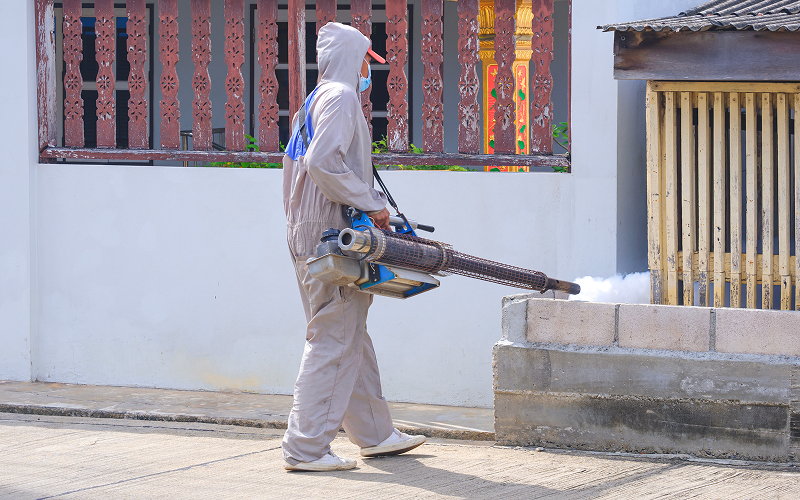
There’s a misconception that pest control is simply about spraying chemicals. In reality, the work is far more structured and relies heavily on careful assessment, planning, and monitoring.
Professionals begin with a detailed inspection. They check places where pests thrive—under sinks, near rubbish bins, in pantry corners, behind appliances, around drainage areas, and inside cracks or crevices. When pest control in Singapore is done properly, the inspection alone often reveals patterns and hidden colonies that homeowners don’t notice.
After this, they carry out targeted treatment. Cockroaches might require gel baits placed in specific areas; rodents may require sealing of entry points paired with carefully positioned bait stations; mosquitoes require both source reduction and selective larvicide application. Treatments like these are not random. Each method is chosen based on the pest’s behaviour and environment.
Prevention is another important step. Experienced technicians explain how moisture, clutter, and food storage habits affect infestations. Pest control services in Singapore have increasingly shifted toward long-term prevention because stopping pests early is far more effective than repeated treatments.
Finally, there’s ongoing monitoring. Many companies now rely on simple digital systems or routine checks to track pest activity. These follow-up visits keep infestations from returning and ensure that treatments continue working effectively.
How Pest Control Supports Public Health
Singapore’s high hygiene standards didn’t appear by luck. They’re the result of coordinated systems: NEA campaigns, neighbourhood cleanliness efforts, strict food safety rules, and, of course, professional pest management. Pest control in Singapore plays a big role in preventing disease transmission, especially in tightly packed communities where a single infestation can spread fast.
Public spaces depend on it. Hawker centres, for example, prepare food in open environments, and without proper pest control, these areas would be vulnerable to contamination. Fitness centres, childcare facilities, and even clinics rely on regular inspections to ensure clean air and safe surfaces.
It’s easy to overlook these efforts because they run quietly in the background. But every drain checked and every entry point sealed contributes to the larger goal of keeping Singaporeans healthy.
The Link Between Pests, Air Quality, and Allergies
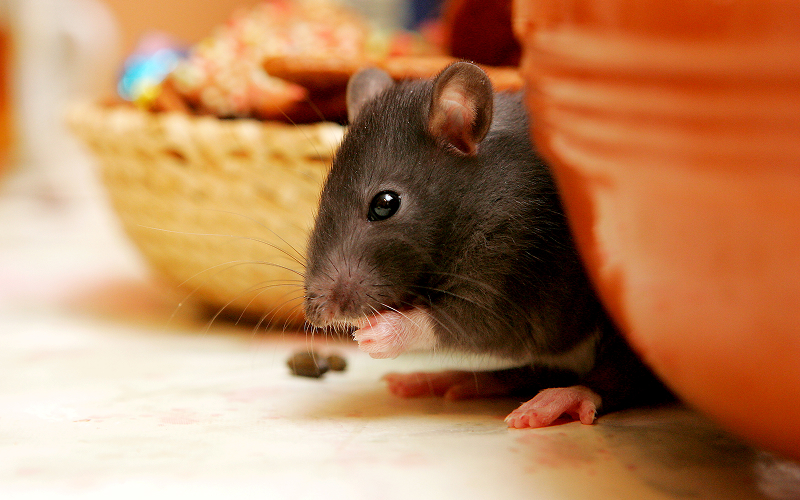
Health risks aren’t limited to bites or contaminated food. There’s also the issue of air quality. Cockroach droppings, termite dust, and rodent dander can worsen respiratory problems. For families with asthmatic children, this can become a serious concern. Pest control in Singapore indirectly improves indoor air quality by reducing biological allergens that linger in corners, cupboards, or ventilation spaces.
In restaurants, the stakes are even higher. Rodents and cockroaches leave behind harmful pathogens, and a single contaminated ingredient can compromise food safety. Commercial kitchens depend heavily on scheduled pest control in Singapore to keep operations safe, clean, and compliant.
Homes, surprisingly, face similar concerns. Older HDB units sometimes struggle with damp areas, and when pests appear alongside moisture, allergies tend to worsen. Proper pest control reduces these irritants, creating healthier indoor living conditions.
How Commercial and Residential Needs Differ
While both homes and businesses require pest control, their needs differ significantly. Restaurants and cafés need structured schedules, detailed documentation, and strict compliance with safety standards. They can’t allow even a small rise in pest activity because their operations depend on maintaining trust and meeting health regulations.
Pest control companies in Singapore adapt their services accordingly. Hotels, schools, offices, and medical facilities all require different levels of monitoring and reporting. Homeowners have more flexibility, but they also face seasonal changes that increase pest activity, such as mosquito surges during monsoon months or ant trails during hotter seasons.
This variety shows how adaptable the industry has become. Whether it’s a 3-room flat in Ang Mo Kio or a large commercial kitchen in Orchard, strategies differ precisely because the risks are different.
Trends in Singapore’s Pest Management Scene
The pest control field is changing quickly. Many Singaporeans prefer solutions with reduced toxicity, especially in homes with pets or babies. As a result, eco-friendlier treatments are gaining popularity.
Technology is also playing a bigger role. Some companies use smart traps or digital monitoring tools that alert technicians when activity increases. This helps them decide when to intervene without waiting for pests to multiply.
Seasonal strategies are another growing trend. During wetter months, mosquitoes become a bigger concern, while ants and cockroaches tend to increase during warmer periods. Pest control in Singapore often follows these seasonal rhythms to stay ahead of infestations.
From time to time, the landscape of the pest control industry blends knowledge, technology, and environmental awareness.
ALSO READ: How Tech Trends Are Transforming Pest Control in Singapore
Why Regular Treatments Make a Difference
Some people may assume that if they don’t see pests, everything is fine. But pests often appear only after their population becomes large enough to spill out from hiding spots. Waiting for visible signs is usually too late.
Regular pest control in Singapore prevents hidden populations from growing unchecked. It keeps drains treated, cracks sealed, and food waste areas clean. Singapore’s warm climate means pests stay active throughout the year, so consistent treatment schedules reduce long-term health risks for homes and businesses alike.
It’s similar to routine health check-ups. You don’t wait until you’re extremely unwell—you maintain your health by addressing issues early.
What People Can Do Alongside Professionals
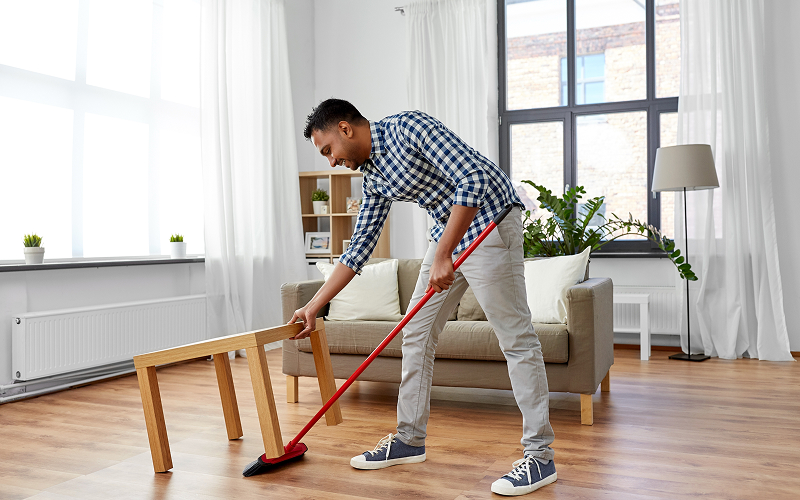
While professional treatments are essential, the habits of homeowners and business owners play a huge role in keeping pests away. Clearing clutter makes it harder for pests to hide. Storing food properly helps reduce ant and cockroach activity. Fixing leaks prevents moisture buildup, which many pests rely on. Good ventilation also reduces mould growth, making spaces less hospitable to pests. Many Singaporeans don’t realise that simple routines—like wiping down kitchen counters at night or closing balcony doors during dusk—make a real difference. And when these small habits are consistently repeated, they reinforce the long-term effectiveness of pest control in Singapore.
You should know that everyday habits complement pest control in Singapore by making living and working environments less inviting to infestations. It becomes a partnership: the professionals handle the technical work, and occupants maintain healthy habits between visits.
Conclusion
When you piece everything together, the role of pest control in Singapore becomes clearer. It’s more than a service—it’s a pillar of public health. By reducing contamination, preventing disease, and improving indoor air quality, pest professionals help keep communities safe and comfortable.
Their work is subtle, but its impact is felt everywhere—from hawker stalls to busy offices to family homes. If you’d like more insights and practical guides to everyday health and home care, visit Best Picks to get the latest content.