Yoga blends calm focus with steady movement, and the right tools can make each session feel smoother and more supported. Many people enjoy how simple gadgets take away small distractions, helping them settle into poses with clearer balance and easier breathing. These tools offer gentle reminders, steady timing, and small cues that keep posture aligned without pulling attention away from the mat. As more people attend yoga classes in Singapore or build routines at home, gadgets have become part of how they stay consistent from one stretch to the next. They help shape organised sessions, reduce strain, and make practice easier to repeat while still feeling natural and calm.
5 Gadgets to Bring to Class
Having some helpful gadgets can make sessions easier to get through. Poses feel simpler to hold, transitions take less effort, and balance stays more reliable without extra strain. Longer sequences feel less uncomfortable, so focus stays on breathing and steady movement. Later in the session, especially during yoga classes in Singapore, staying present until the last pose feels far more manageable.
1. Smart Watch for Session Timing
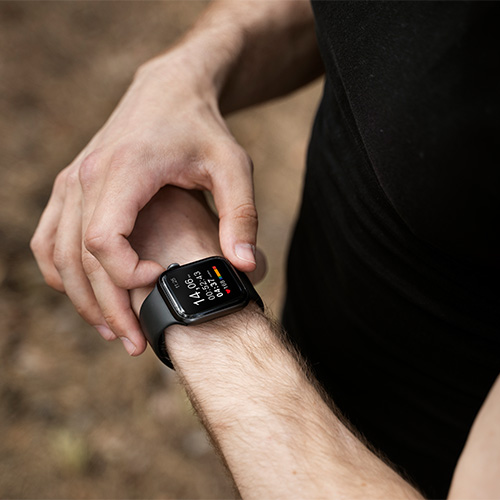
A smart watch offers more than a quick glance at the time. Its interval timers, countdowns, and vibration alerts help keep each pose steady without forcing you to look away from the mat. Used in yoga classes in Singapore, it helps keep breathing cycles steady and transitions smooth. Some models also track heart rate trends, which can give a clear picture of how the body responds to slow holds or deeper stretches. These readings are simple but helpful, giving users a sense of comfort as they stay in rhythm with the rest of the class during longer sequences.
2. Vibrating Roller for Warm-Ups
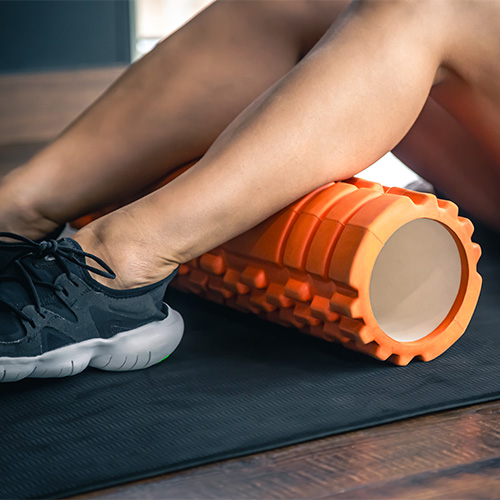
A vibrating roller helps prepare the body before tougher sequences by loosening tight muscles in a steady and controlled way. It’s built-in with vibration settings that support gradual warm-ups that help joints feel ready for movement. In yoga classes in Singapore, people often use it on the lower back, calves, and thighs to reduce stiffness before long-standing poses. The steady pulses also help bring attention to areas that need more care, making it easier to understand how the body feels before practice begins. This gives sessions a smoother flow and helps users move with greater comfort once sequences start.
3. Alignment Mat with Printed Guides
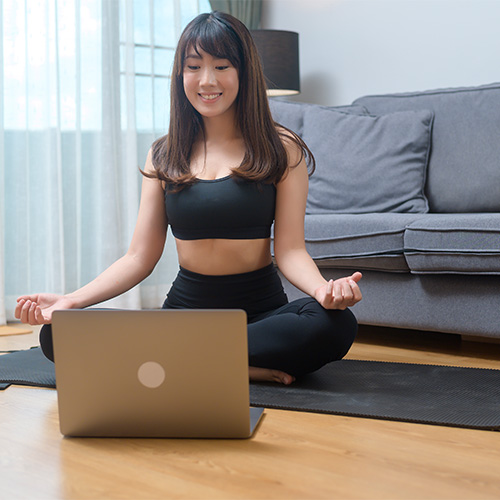
This mat includes printed lines, centre points, and directional markers that help with hand and foot placement. These visual cues reduce uncertainty when shifting from one posture to another, especially for standing sequences and wide stances. Many people bring this mat to yoga classes in Singapore because it keeps alignment consistent across different poses. The sturdy grip also helps prevent slipping during longer holds, giving users a sense of steady grounding that supports safe and confident movement.
4. Breathing Rhythm Device
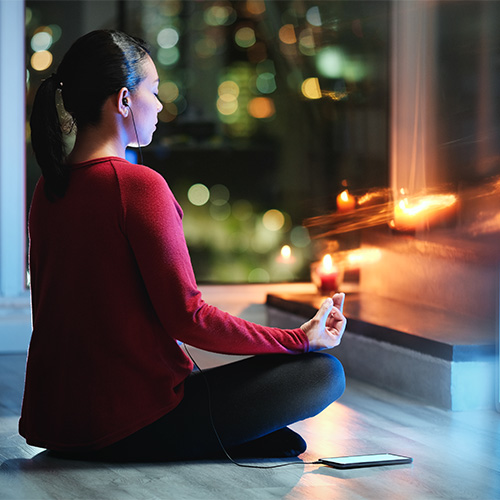
This device uses slow pulsing lights to guide steady inhaling and exhaling. The predictable glow helps people settle before practice and ease into breathing exercises without rushing. Some models also include sound cues that support a smooth tempo for both warm-ups and cooldowns. Before attending yoga classes in Singapore, use this tool to prepare the mind and to stay focused, making the start of the session feel calmer and more centred.
5. A SmartEye Mask for Rest Poses
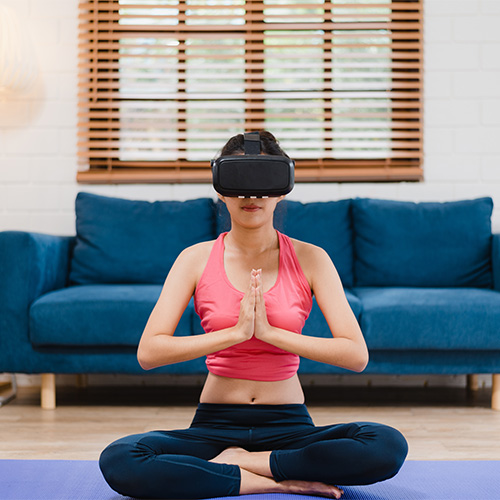
A soft, smart eye mask blocks out light and encourages full relaxation during rest moments. The gentle pressure across the face helps reduce tension and supports deeper stillness. After long yoga classes in Singapore,use this mask to maintain focus during final rest poses. Its compact size makes it easy to carry, and its simple design helps create a quiet and steady breathing environment.
5 Gadgets to Use at Home
This section explores tools that bring structure and comfort to home routines. These gadgets help users stay aware of timing, alignment, and steady stretching without needing a teacher present. Many yoga enthusiasts apply techniques learned from yoga classes in Singapore and rely on these tools to keep practice organised. The right items make home sessions feel more focused, calm, and easier to repeat with confidence each day.
1. Self-Timer for Poses
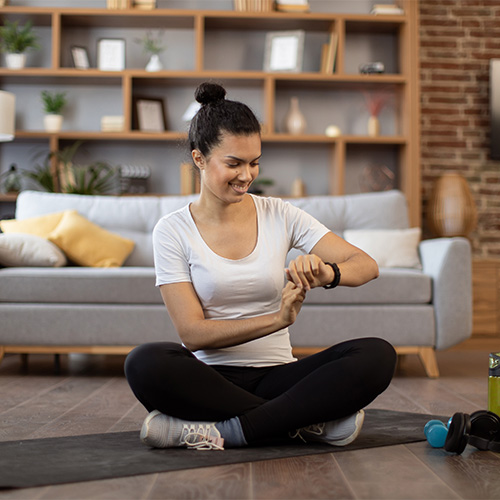
A self-timer helps organise home sessions by keeping track of how long each pose lasts. Instead of counting breaths or glancing at a clock, users rely on clear auditory or vibration alerts. This helps maintain even pacing throughout the routine. People who practise sequences from yoga classes in Singapore use timers to mirror the structure they experience in group settings, making home practice feel smoother and more consistent.
2. Smart Mirror with Guided Display
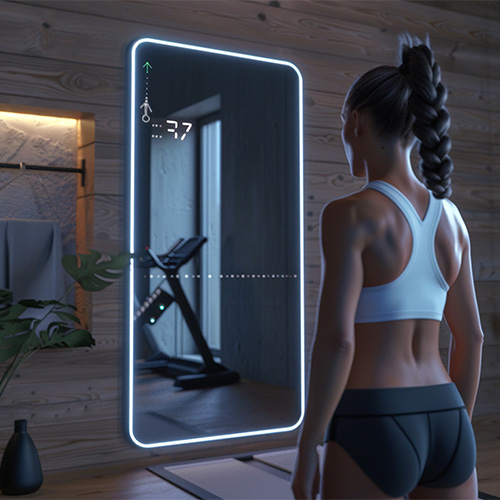
A smart mirror uses motion sensors to map posture and movement in real time. It shows outlines and subtle misalignments, helping you adjust without stopping your flow. These mirrors often include guided practice modes that replay slow sequences for easy follow-along. Many people who practise at home appreciate how it helps them repeat forms learned in yoga classes in Singapore with clearer awareness and steady confidence.
3. Headphones for Music Flow
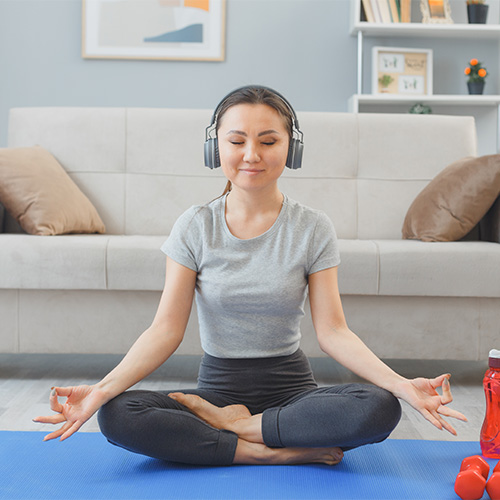
Headphones help build a calm environment by controlling sound and blocking distractions around the home. Gentle background music can guide breathing patterns and support a steady rhythm during poses. It’s one of the most common gadgets to recreate the calm atmosphere they enjoy in guided fitness classes. With adjustable volume and clear sound quality, headphones make home practice feel more personal and focused.
4. Mini Projector for Follow-Along Videos
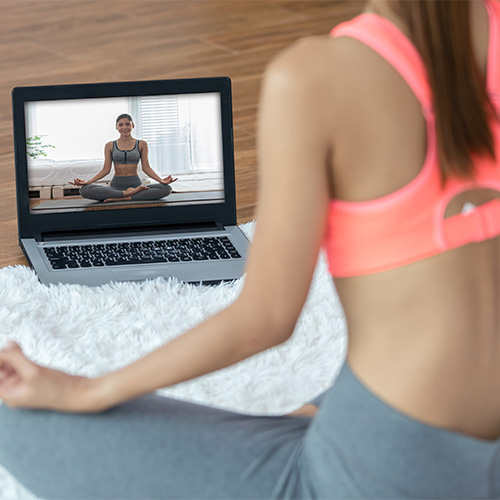
A mini projector casts guided sessions onto a wall or large surface, giving you a clear view of each movement without needing to hold a device. This makes transitions smoother and helps you focus on form rather than screens. To create a steady and immersive practice space you can use a projector to watch much larger videos of sessions and classes.
5. Flexibility Band with Motion Sensor
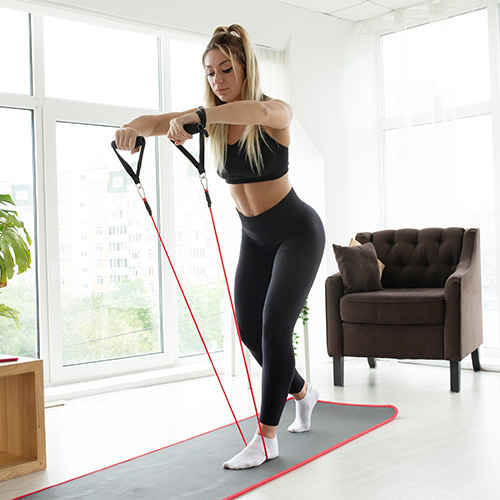
A flexibility band with a built-in motion sensor tracks tension and stretch range as you warm-up. The readings help you understand how far to pull without pushing past safe limits. This supports steady progress while avoiding strain. You can pair this tool with poses from their usual routines, using the feedback to build safe and consistent stretching habits.
3 Basic Tools Every Yoga Routine Needs
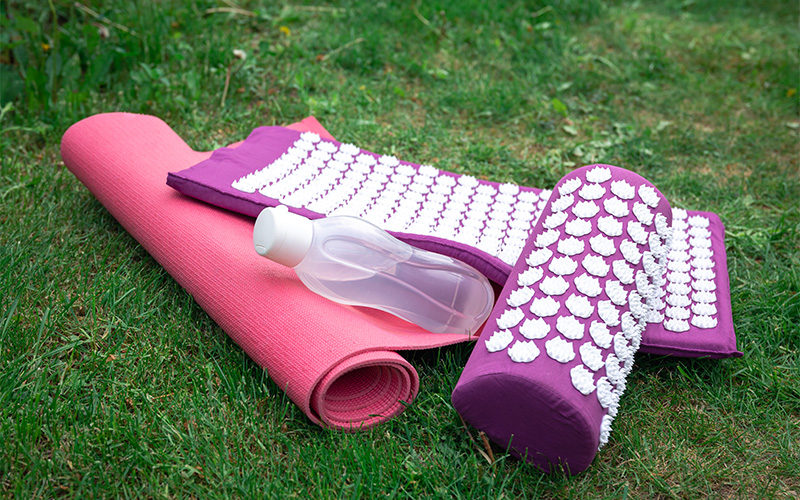
Early familiarity with basic tools sets the tone for the entire session. When routines feel steady from the outset, comfort follows naturally and movement stays unbroken instead of constantly resetting. Balance feels predictable, posture holds up longer, and stretching remains controlled as the session develops. Whether at home or later during yoga classes in Singapore, that sense of ease helps practice stay orderly and consistent all the way through.
1. Yoga Mat
A dependable yoga mat gives you a stable base for every stretch. Its grip helps keep hands and feet from sliding, especially during standing poses and long holds. Mats with firm cushioning so joints stay comfortable during floor work. Whether you practise alone or join yoga classes in Singapore, a solid mat shapes the foundation of every session.
2. Dumbbells for Strength Support
Light dumbbells help build strength in the arms, shoulders, and core. They support poses that rely on steady control, such as lunges or balance sequences. Many home users mix dumbbell warm-ups with moves learned from yoga classes to keep muscles active and stable. Their simple design makes them useful for both short and long sessions.
3. Yoga Blocks
Yoga blocks provide steady support during poses that require extra reach or balance. They help lift the floor closer to your hands, making certain stretches safer and more accessible. Blocks also fit naturally into home routines or sessions inspired by yoga classes, offering steady support during challenging postures. Their firm structure makes them useful for seated folds, standing balances, and supported backbends.
How Yoga Tools Became Part of Modern Practice
This section explains how simple tools became everyday companions for people who enjoy yoga. As sessions grew more accessible, gadgets helped users stay comfortable, track posture, and follow routines with fewer distractions. You should be able to recognise how these tools support smoother stretches and safer alignment if you attend a yoga class in Singapore. Over time, small items became part of practice because they add convenience, clarity, and useful structure to each session.
Yoga today blends traditional movements with simple tools that help people stay comfortable and consistent. Many students bring gadgets to yoga classes in Singapore because they make it easier to follow pacing, check posture, and ease into stretches without strain. Home users also rely on these tools to repeat familiar routines while keeping their form steady. As sessions grew more varied and accessible, these items became everyday companions for people who want reliable support in each stretch. The mix of classic practice and practical gear helps keep yoga clear, grounded, and easier to enjoy.
ALSO READ: Why Yoga In Singapore Is More Than Just Exercise: A Path To Balance And Wellness
Yoga Tools for Stronger Stretches
Regular use of familiar and new tools keeps stretching controlled, posture clearer, and movement steady without constant correction. Strain eases, pacing feels easier to manage, and sessions keep a sense of order from start to finish. With time, especially for anyone taking yoga classes in Singapore, bringing the same setup into home practice helps routines stay smooth and consistent across different settings.
Visit Best Picks to discover helpful gear that keeps every stretch steady and every session comfortable.