If you’ve ever stood in front of a charming little pâtisserie in Tiong Bahru and wondered how they make everything look so perfect, you’re definitely not alone. More Singaporeans are signing up for a baking class in Singapore these days, not just for the skills but also for the joy of doing something hands-on. There’s something strangely soothing about flour on your fingers and the gentle hum of a mixer in the background; it snaps you out of everyday busyness and gives you a moment to feel grounded again. You know what? That small moment of calm is often the real reason people keep going back.
As you explore what makes a baking class enjoyable, you’ll quickly realise that the experience here hits different. It’s shaped by our café culture, our love for pretty desserts, and a genuine curiosity about techniques usually seen only on shows like Bake Off.
Why Local Baking Classes Are So Popular Right Now
The popularity of joining a baking class in Singapore didn’t appear out of thin air. It grew slowly, boosted by Instagram food trends, cosy home-bakers making waves online, and a national fondness for sweet treats during festive seasons. There’s also that emotional element: baking feels like therapy without calling it therapy. The act of mixing ingredients and watching something rise in the oven gives people a sense of control and creativity, especially when life feels too fast.
Another reason is practicality. Many students join a baking class in Singapore because they want to bake confidently for birthdays, family gatherings, or even to start a small side hustle. And honestly, once you master a few core techniques, the learning curve doesn’t feel as steep as you’d expect.
Your First Few Minutes: Getting Settled In
Walking into the studio for your baking class feels a little like entering a warm, fragrant bubble where time moves more slowly. A typical baking class in Singapore starts with a short introduction. You’ll meet the instructor, scan the rows of stainless-steel worktables, and notice familiar appliances like KitchenAid mixers, Panasonic ovens, and racks of fresh ingredients.
Some studios even dim the lights slightly and play soft music, making the session feel more comfortable for beginners. Let me explain why this matters: when you’re new, a relaxed environment takes away a good chunk of the pressure. It helps you breathe, focus, and enjoy the process instead of worrying about whether you’re doing everything “right”.
Learning Techniques Without Feeling Lost
Most people worry they’ll mess up the basics the moment the instructor turns around. In reality, a baking class in Singapore tends to start slowly. The trainer demonstrates everything from measuring flour properly to folding batter without knocking the air out. Sometimes, it’s the little details that affect the texture more than most people realise.
You’ll hear terms like the “creaming method” or “lamination,” but they’re always paired with down-to-earth explanations. Even when professional jargon appears, it’s softened with casual commentary so everyone keeps up. And honestly, this makes the entire session feel less intimidating than a textbook would.
Sometimes you’ll get a mini-digression about why Singapore ovens can behave differently due to humidity or how butter consistency changes depending on room temperature. These tiny detours actually help you understand baking better.
The Fun (and Slightly Messy) Hands-On Part
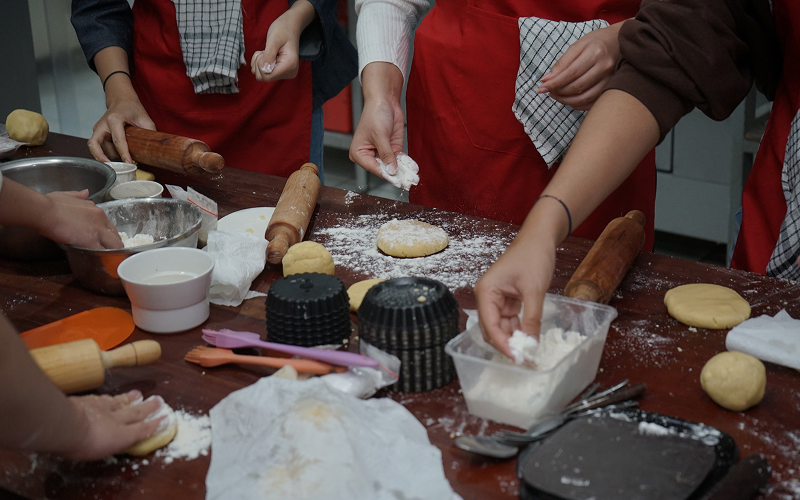
Once the demonstration ends, the real fun begins. You’ll crack eggs, whip cream, knead dough, and fill moulds with batter you mixed yourself. That’s the beauty of a baking class in Singapore: everything is designed to be interactive. Instructors want you to make mistakes early so they can guide you through them.
There’s usually a bit of lighthearted chaos. Someone overmixes. Someone forgot the salt. Someone else spills flour everywhere. But you know what? All of this adds charm to the experience. It’s the sort of moment you remember long after the class ends.
Guidance That’s Practical and Encouraging
A good baking instructor has the magical ability to fix a problem without making you feel embarrassed. They’ll show you how to salvage curdled batter or how to check if your dough is under-kneaded. That’s one of the reasons many people return for another baking class in Singapore. The support you get feels genuine, not forced.
Every correction teaches you something. If your tart shell shrinks, they’ll show you how to chill it properly. If your sponge doesn’t rise, they’ll point out what went wrong in a friendly, reassuring tone.
Expect a Bit of Controlled Chaos
A baking studio—especially on weekends—can feel slightly hectic. Ovens beep, timers ring, trays slide in and out. Yet this environment is oddly energising. It mirrors the buzz of festive baking marathons during Hari Raya or Chinese New Year when the kitchen is packed, and everyone’s rushing to get things done.
That’s another reason a baking class in Singapore feels relatable. The chaos teaches you to multitask without panicking. And the best part is that the instructor is always close enough to guide you when something goes sideways.
The Moment You’ve Been Waiting For: Tasting Your Creations

The highlight for many students is taking home what they’ve made. Whether you’re baking brownies, Japanese cheesecake, choux pastries, tarts, or sourdough, there’s always a sense of pride when you box up your finished product. A baking class in Singapore usually ends with a tasting session, where everyone gathers around to try each other’s creations.
And honestly, even if your pastry isn’t perfect, it still feels rewarding. There’s something almost sentimental about sharing food you made with your own hands.
ALSO READ: How to Recreate Singapore’s Best Cakes at Home with a Healthier Twist
Choosing the Style of Class That Suits You
Another important part of the experience is picking the right style of baking class in Singapore. You can choose from:
- Beginner-friendly cupcake or cookie workshops
- Artisanal bread sessions with long fermentation times
- French pastry masterclasses
- Plated-dessert classes for intermediate students
- Home-based boutique workshops for quieter sessions
The choice really depends on your comfort level and your goals. Some prefer shorter classes that feel like a mini “getaway,” while others enjoy long, detailed workshops that go deep into technique.
What to Expect in Terms of Costs, Duration, and Atmosphere
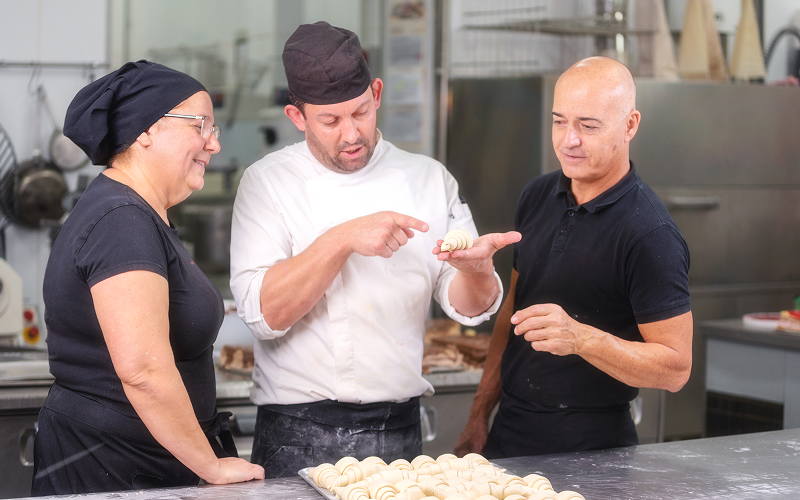
Most classes last between 2 to 4 hours. Prices usually range from affordable introductory sessions to pricier masterclasses conducted by pastry chefs who’ve worked in hotels.
But the atmosphere tends to be friendly across the board. You’ll meet people from all walks of life—students, retirees, parents, young adults who just love café culture. And somehow, everyone blends in naturally.
If anything, these classes become small social pockets, a place where strangers bond over a shared interest.
Why It’s Worth Giving It a Try
Signing up for a baking class in Singapore isn’t only about learning recipes. It’s about slowing down, meeting new people, and letting your creativity breathe. For many, it’s a comforting way to spend a weekend morning or a weekday evening.
You walk in with curiosity, and you walk out with knowledge, confidence, and a box of homemade treats. And that combination is something people don’t forget easily.
How Baking Classes Encourage Creativity Without Pressure
One thing people often don’t expect is how liberating the creative process becomes once you’re fully settled into your baking class in Singapore. Even if the recipe is structured and the steps are laid out neatly on a sheet, instructors usually welcome small tweaks. A sprinkle of cinnamon here, a switch to dark chocolate instead of milk, or a playful swirl of raspberry purée on top of a cheesecake.
Choices like these add personality without derailing the recipe, which helps beginners feel they have room to make the bake truly theirs.
You might notice classmates quietly comparing designs, not in a competitive way but more like friends exchanging ideas at a family gathering. It mimics that joyful atmosphere during festive cookie-making sessions at home, where everyone uses the same dough but ends up creating wildly different shapes.
A baking class in Singapore encourages this freedom because it’s part of the learning philosophy: technique first, creativity second, confidence naturally follows. And honestly, that sequence works. Once you’re secure in the basics, the artistic part comes almost effortlessly.
Sometimes the instructor even prompts a little experimentation—“Try a different piping tip,” or “Why not add some zest?” It’s the gentle nudges that keep the experience warm and interactive, especially for participants who enjoy expressing themselves through flavours and visuals.
How Baking Helps You Slow Down and Reconnect With Yourself
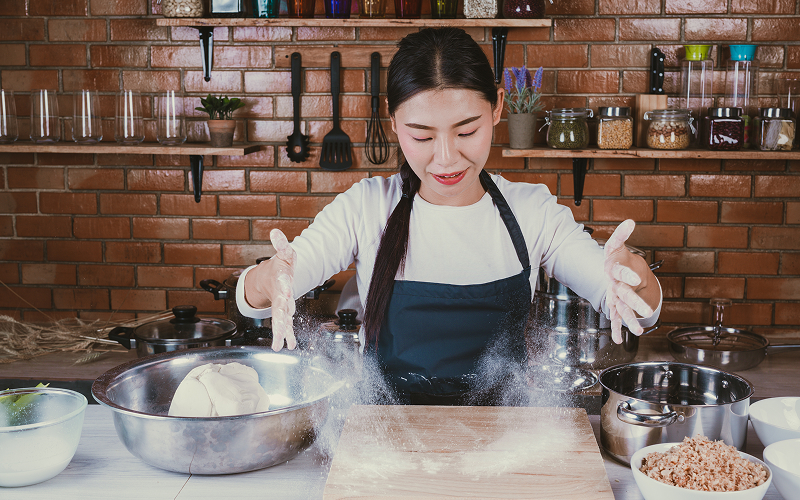
It might seem like a stretch, but a baking class in Singapore often becomes an unexpected break from routine. The simple act of measuring ingredients, mixing batter, and watching something rise in the oven has a strange way of drawing you into the present moment. It’s almost meditative. Many students find themselves relaxing without even realising it.
Think about it: when’s the last time you spent two or three uninterrupted hours focusing on one task that didn’t involve a screen? The rhythm of baking moves at its own pace. You can’t rush resting dough, you can’t force a cheesecake to cool faster, and you certainly can’t speed up browning butter. So, you adjust yourself to the process instead of bending the process to you.
That’s why people say a baking class in Singapore feels like a small retreat. There’s no pressure to be perfect. There’s no judgment. Just you, a warm kitchen environment, and something delicious gradually taking shape. It’s a refreshing contrast to our fast-paced lifestyle, and for many, it becomes the reason they return for more sessions.
Conclusion
So if you’ve been thinking about trying a baking class in Singapore, take this as your sign. It’s fun, relaxing, and surprisingly fulfilling, whether you’re a beginner or someone who loves experimenting in the kitchen. And who knows? This might even spark a new hobby or side passion you didn’t know you had.
Visit Best Picks to get the latest content and stay inspired.