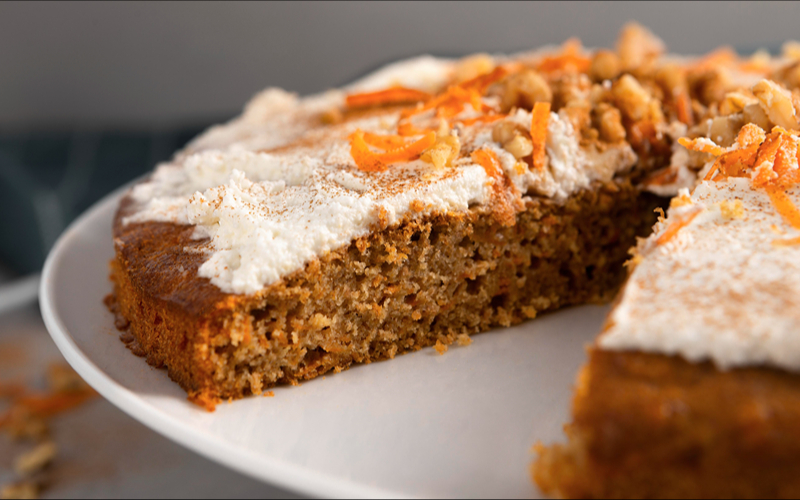
Baking has become more than just a hobby for many Singaporeans; it’s a creative outlet, a way to unwind, and a chance to experiment with healthier versions of the treats we love. From classic pandan chiffon to indulgent ondeh-ondeh and burnt cheesecakes, the best cakes in Singapore have inspired countless home bakers to try their hand at replicating these favourites. But how can you make them guilt-free without losing the flavour and texture that make them so special?
This guide explores how to recreate Singapore’s best cakes at home using healthier ingredients and methods so that you can enjoy every bite without the sugar crash.
Rediscovering the Joy of Homemade Cakes
There’s something comforting about the aroma of freshly baked cakes filling your kitchen. During the pandemic years, many Singaporeans discovered a newfound passion for baking, and that enthusiasm hasn’t waned. What’s changed, however, is the desire to make healthier choices.
While the best cakes in local bakeries often rely on butter, sugar, and refined flour, home bakers now experiment with natural sweeteners, plant-based alternatives, and wholegrain flours to give these desserts a nutritious upgrade. The goal is simple: to maintain that soft, moist, and delicious texture, but with fewer calories and more wholesome ingredients.
1. The Pandan Chiffon Cake: A Lighter National Favourite
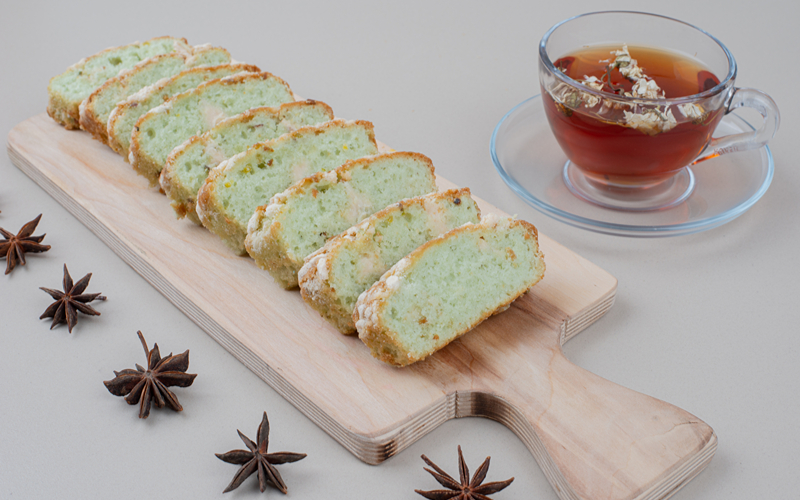
The pandan chiffon cake is a symbol of Singaporean nostalgia, known for its airy texture and fragrant green hue. Traditionally, it’s made with pandan juice, coconut milk, and plenty of sugar. To recreate this one of the best cakes in Singapore with a healthier touch, consider switching to coconut sugar or stevia.
You can also swap plain flour for a mix of whole wheat and rice flour to retain fluffiness without sacrificing fibre. Use light coconut milk to reduce fat, and whip egg whites carefully to maintain volume. The result? A pandan chiffon that tastes just as soft and fragrant, but with fewer guilty calories.
Indeed, the Pandan Chiffon Cake is ideal for tea-time gatherings, especially when served with unsweetened green tea or a flat white.
2. Ondeh-Ondeh Cake: All the Coconut, Less of the Sugar
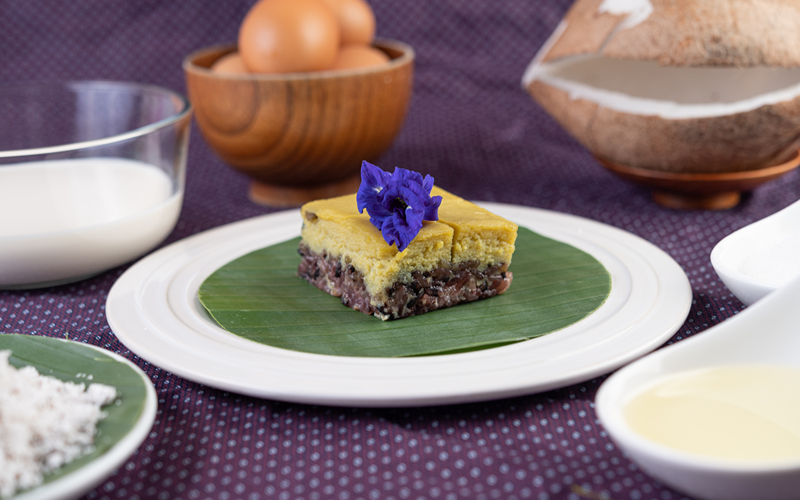
Inspired by the Peranakan treat, the ondeh-ondeh cake combines pandan sponge with gula melaka frosting. While undeniably one of the best cakes for special occasions, it’s also notoriously rich in sugar. To create a healthier alternative, use coconut cream in moderation and reduce the amount of gula melaka syrup.
For the frosting, try using Greek yoghurt or whipped coconut cream instead of buttercream. It gives a creamy finish without being overly heavy. The trick is balancing flavour intensity with a lighter feel, keeping the essence of ondeh-ondeh alive while making it easier on your waistline.
Homemade versions of the best cakes like this allow you to adjust sweetness and portion size, something that store-bought slices rarely offer.
3. Basque Burnt Cheesecake: Indulgence, Simplified
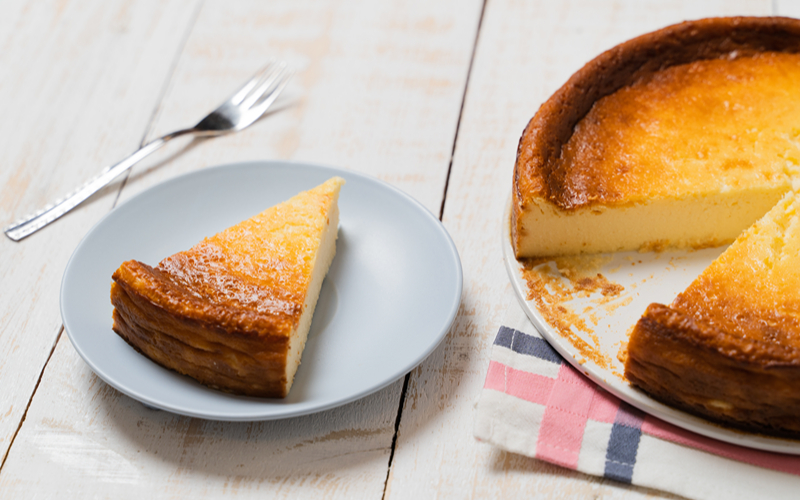
The Basque burnt cheesecake took Singapore by storm, earning a place among the best cakes sold in cafés and bakeries across the island. Its caramelised crust and creamy interior make it irresistible, but it’s also high in fat and sugar.
To make it healthier, replace some of the cream cheese with low-fat cream cheese or strained yoghurt. You can also cut the sugar by half without compromising taste, as the caramelisation process naturally brings out a sweet flavour. Using almond flour in the base instead of crushed biscuits gives you extra protein and healthy fats.
When topped with fresh berries, it creates a tangy contrast to the salty cheese, making it one of the satisfying desserts in Singapore.
4. Carrot Cake: Turning a Classic into a Superfood Treat
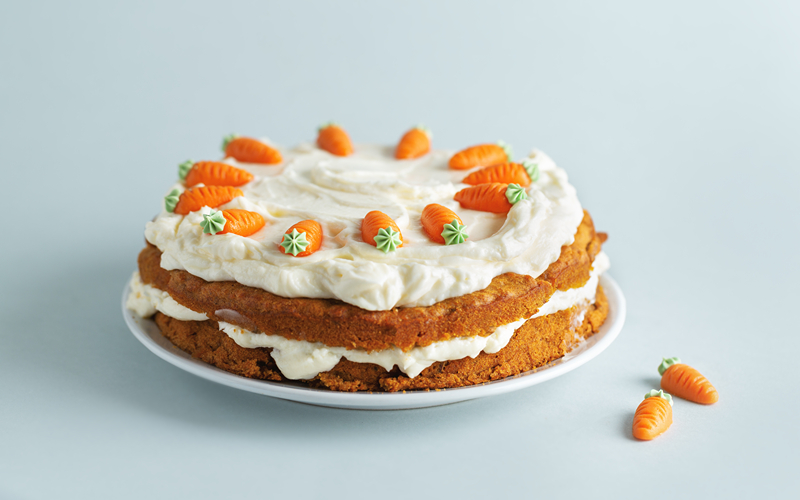
Carrot cake may already seem like one of the healthier options among Singapore’s best cakes, but the traditional version is often loaded with oil and sugar. A better approach is to use grated carrots generously for natural sweetness and moisture, along with a touch of honey instead of refined sugar.
Swap vegetable oil for olive or avocado oil, and add crushed walnuts or chia seeds for an omega-3 boost. Wholemeal flour works perfectly for this recipe, adding a nutty flavour while improving the texture. A light cream cheese frosting with reduced sugar completes the transformation.
Among all the best cakes you can make at home, this one stands out for its balance between taste and nutrition, ideal for a wholesome breakfast or a mid-day pick-me-up.
5. Orh Nee Cake: A Traditional Favourite Reimagined
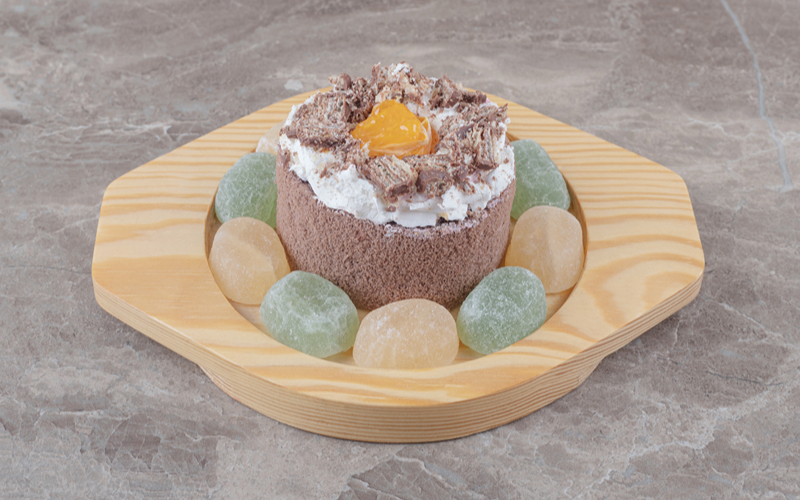
The orh nee cake is a modern reinterpretation of the Teochew yam dessert, featuring layers of yam paste, cream, and sponge. Though creamy and delicious, it can be made healthier by swapping dairy cream with oat or soy-based alternatives.
Steaming fresh yams at home and blending it with a bit of coconut oil and monk fruit sweetener produces a smooth and flavourful paste. This version reduces both calories and saturated fats while keeping the signature yam flavour intact. Among the best cakes to showcase local heritage, this healthier orh nee cake embodies tradition with a mindful twist.
6. Mango Shortcake: Tropical Freshness without the Guilt
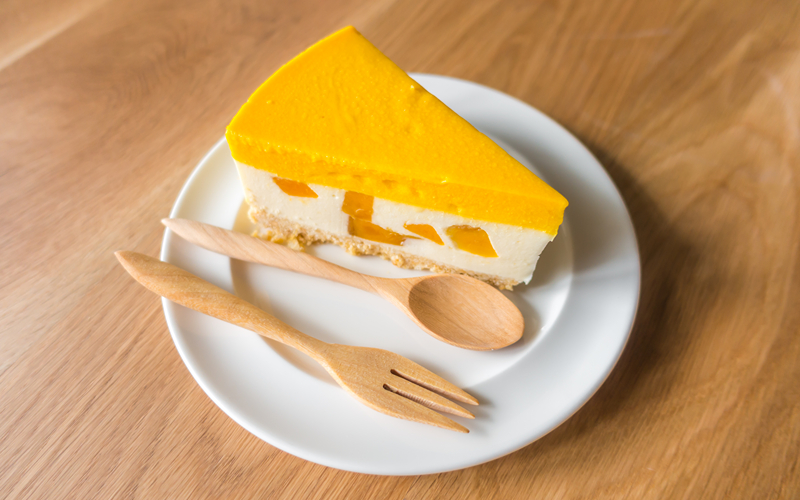
Few desserts capture the freshness of the tropics like mango shortcake. Found in many Japanese-style bakeries, it’s among Singapore’s best cakes for birthdays and celebrations. To make it lighter, use sponge layers made from almond flour and replace heavy whipped cream with light coconut or cashew cream.
Choose ripe local mangoes for natural sweetness, so you can skip adding extra sugar. Chill the cake before serving; it enhances the fruit flavour and makes it refreshingly indulgent. A slice of this guilt-free treat proves that the best cakes can still feel luxurious even when made with healthier ingredients.
ALSO READ: Best Cake Shops in Singapore: Indulge in These Heavenly Delights (2025)
7. Matcha Roll Cake: Antioxidants in Every Bite
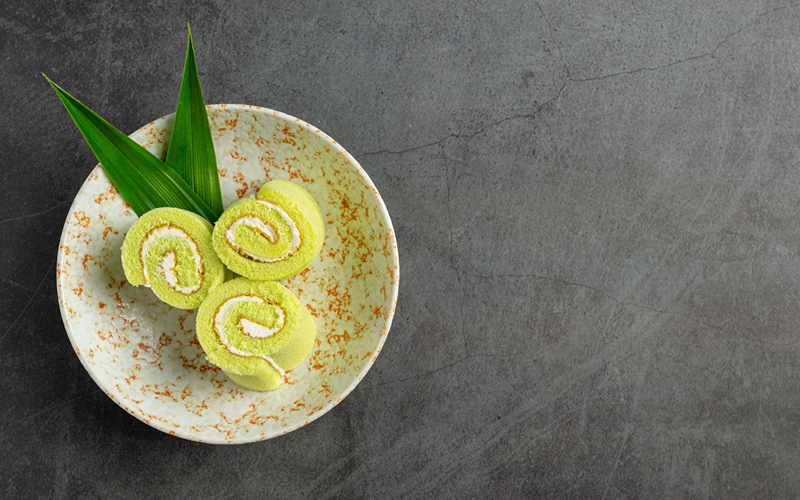
Matcha roll cakes have gained popularity for their vibrant colour and earthy taste. Often listed among the best cakes in minimalist Japanese-inspired cafés, this dessert can be easily recreated at home.
The key is to use high-quality matcha powder, which is rich in antioxidants. Substitute sugar with erythritol or coconut sugar, and fill the sponge with a mix of Greek yoghurt and a little honey instead of whipped cream. The result is a soft, light roll that’s energising rather than overly sweet.
Pair it with a hot cup of matcha tea for an afternoon treat that feels sophisticated and nourishing at the same time.
8. Chocolate Fudge Cake: Decadence, Reinvented
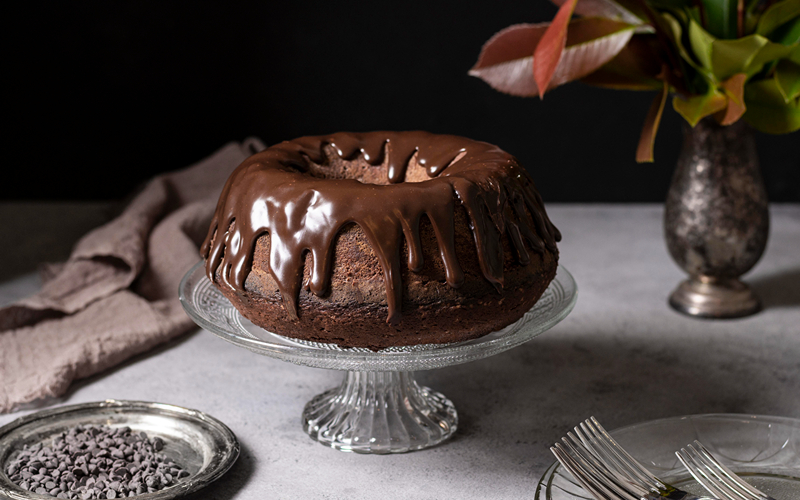
The chocolate fudge cake is one of Singapore’s best cakes for a reason. It’s rich, comforting, and deeply satisfying, yet it’s also one of the heaviest in calories. To make a better-for-you version, use dark chocolate with at least 70% cocoa content. This provides intense flavour and antioxidants while lowering sugar levels.
You can also experiment with unsweetened applesauce or mashed bananas as a substitute for butter, adding natural sweetness and moisture. Oat flour works beautifully here, making the texture dense but soft. The result is a fudge cake that feels decadent but doesn’t weigh you down, perfect for any occasion.
9. Banana Cake: The Simple Joy of Homemade Comfort
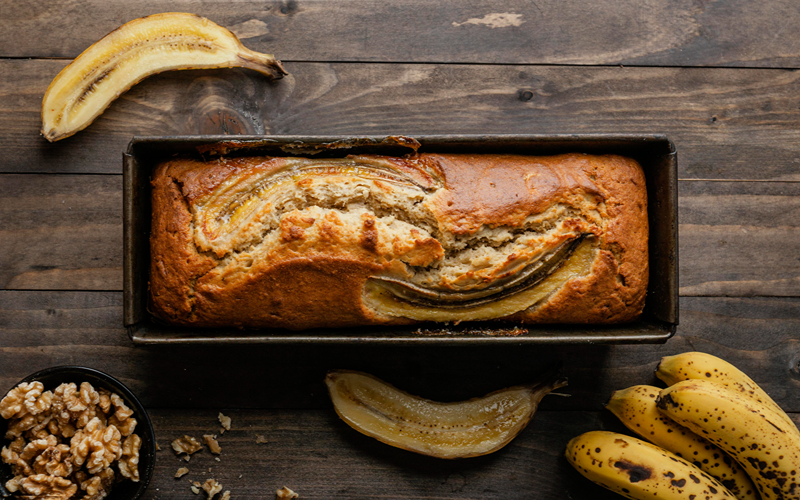
Banana cake holds a special place in many local households. It’s affordable, comforting, and easily ranks among the best cakes in neighbourhood bakeries. A healthier homemade version can be achieved by using overripe bananas as the main sweetener, combined with honey or maple syrup.
Swap white flour for oat or wholewheat flour, and use coconut oil instead of butter. If you prefer a vegan version, replace eggs with mashed banana or flaxseed gel. This simple tweak keeps the cake moist while boosting its nutritional profile. It’s proof that the best cakes don’t need to be fancy; they just need to be made with care.
Tips for Healthier Baking Success
When recreating the best cakes at home, moderation and balance are key. Always start with smaller recipe adjustments, such as cutting sugar by 25% or substituting half the flour with a wholegrain option. Gradually, you’ll find the right ratios that maintain both flavour and structure.
Using fresh local ingredients makes a huge difference, too. Singapore’s markets are filled with pandan leaves, coconuts, yams, and tropical fruits that can elevate your bakes naturally. Don’t shy away from experimenting with textures and flavours; the beauty of homemade baking lies in personalisation.
The Joy of Sharing Homemade Creations
One of the best things about making the best cakes at home is sharing them with family and friends. Whether it’s a Sunday tea session or a festive potluck, these healthier versions let you enjoy indulgence together without overthinking the calories.
It’s also a wonderful way to reconnect with Singapore’s food culture, celebrating local flavours while embracing mindful eating habits. Over time, your kitchen may just become your new favourite bakery.
Conclusion
Recreating Singapore’s best cakes at home doesn’t mean compromising on flavour or satisfaction. By choosing natural sweeteners, healthier fats, and wholegrain ingredients, you can transform indulgent classics into nourishing delights. The key is experimenting with balance and creativity while preserving the authentic essence of each recipe.
So the next time you crave a slice of pandan chiffon or chocolate fudge, remember that the best cakes can come straight from your own oven, healthier, fresher, and made with love.
Visit Best Picks to get the latest content and discover more baking tips, recipes, and healthy lifestyle inspiration.