Getting a tattoo in Singapore is not only about picking a design that speaks to you but also about protecting your skin in the long run. When ink enters the skin, it triggers a natural healing response. This makes it important to think of tattooing as art but also as a minor medical procedure. The way your body reacts depends on both the environment of the studio and how you care for your skin afterward.
Skin irritation, redness, and swelling are common in the first few days, but these should ease as the skin recovers. Proper hygiene during and after the session helps reduce the risk of more serious issues.
Hygiene Practices at Tattoo Studios
Sterile Equipment and Safe Spaces
A professional tattoo in Singapore should always involve sterilised equipment. Reputable studios use disposable needles and fresh ink caps for each client. Tools like grips and tubes are either single-use or sanitised using machines such as autoclaves.
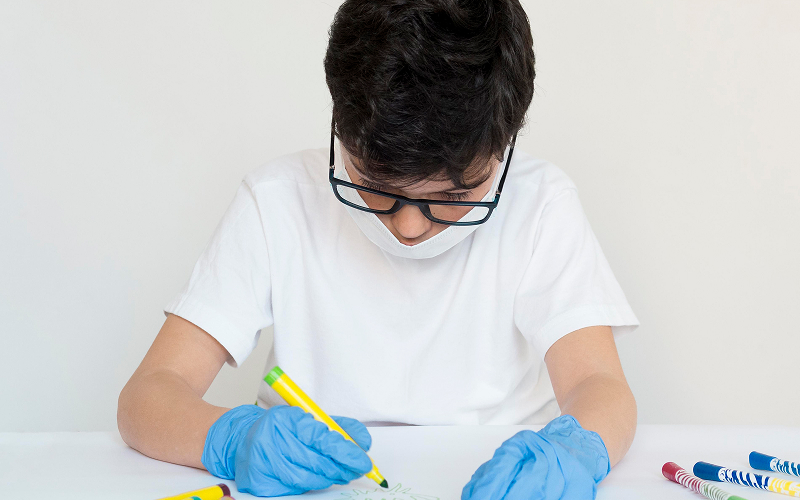
Studios also maintain clean work surfaces and follow strict handwashing routines. Gloves are worn during every stage of the process to prevent bacteria transfer. These measures are for compliance with health rules, and they are what keep your skin safe.
Importance of Certified Artists
When searching for a place to get a tattoo in Singapore, it is worth checking if the artists are licensed and trained in hygiene standards. Many professional artists undergo health and safety training, ensuring they know how to handle both the art and the medical aspects of tattooing.
What to Expect Before and After Getting Inked
Before the Session
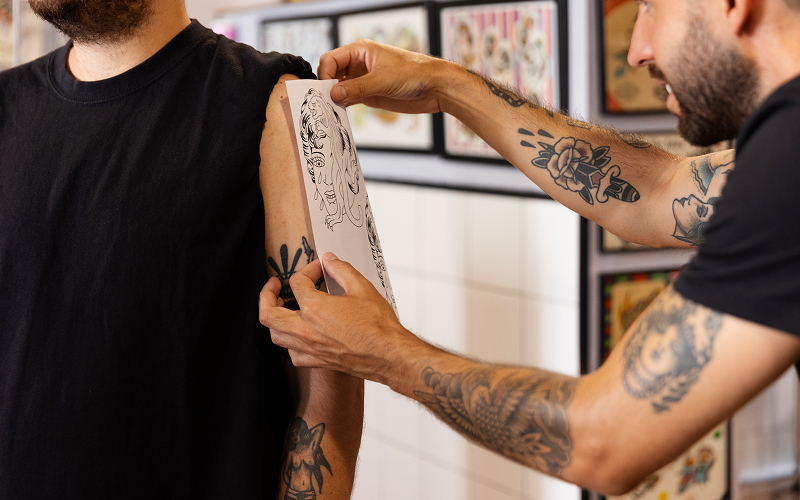
Preparation goes a long way. If you are planning a tattoo in Singapore, avoid alcohol the night before as it can thin your blood. Arrive hydrated and eat a balanced meal to help your body manage the procedure.
Artists often ask about allergies or skin conditions before starting. This is not a formality but a key step in reducing risks. For example, if you have eczema or psoriasis, it is best to wait until flare-ups calm down before getting ink.
Aftercare Essentials
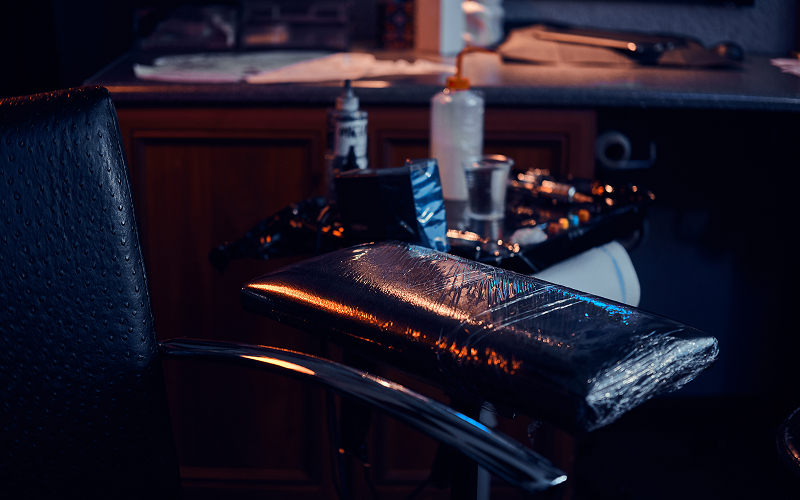
Aftercare is where the real work begins. Once the tattoo is wrapped, follow the instructions given by the artist. These usually include washing with mild, fragrance-free soap and applying a thin layer of ointment to keep the skin moist. Avoid scratching, as tempting as it may be, since it can damage healing skin.
Swimming pools, hot tubs, and long baths should also be avoided during the first few weeks. These can introduce bacteria into open skin. Protecting your tattoo in Singapore’s sunny weather is another concern. Direct sunlight can fade fresh ink and cause irritation, so covering up or using sunscreen after healing helps.
Risks Linked to Poor Tattoo Care
Skipping aftercare or going to an unlicensed studio can lead to infections, scarring, and allergic reactions. Some inks contain metals that may trigger allergies in sensitive individuals. Symptoms include rashes, bumps, or long-lasting itchiness.
There are also rare cases of bloodborne infections if equipment is not properly sterilised. While strict regulations make this unlikely at professional studios offering a tattoo in Singapore, it highlights why researching where you go matters.
Skin Conditions and Tattoos
Tattoos interact differently with different skin types. People with sensitive skin may take longer to heal. Conditions such as acne or dermatitis may complicate healing, so consulting a dermatologist before your appointment is wise.
Keloids, which are raised scars, can also develop in some individuals. Those with a history of keloids should mention it to their tattoo artist and consider starting with a small piece to monitor how the skin responds.
The Role of Technology in Tattoo Safety
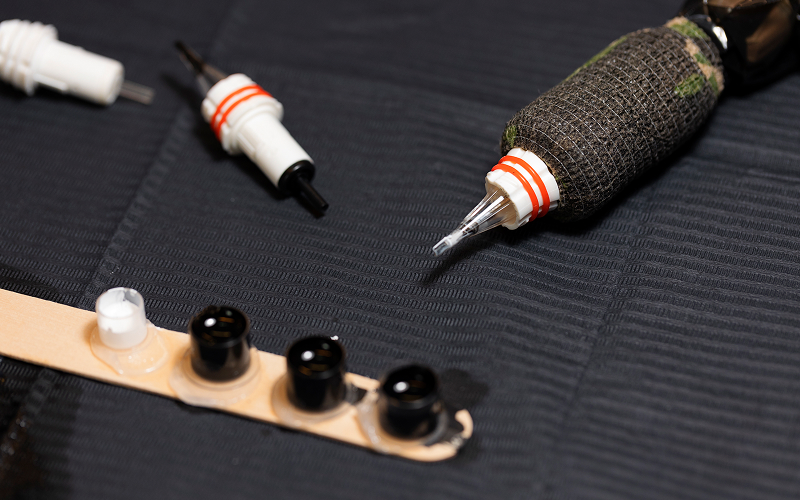
Modern tattoo machines are designed to deliver ink with precision, reducing trauma to the skin. Cartridge needles, commonly used in many studios, limit cross-contamination by being easy to dispose of after each session.
Some tattoo studios in Singapore now use digital booking and client management systems to keep track of aftercare advice and follow-up visits. This ensures clients have access to consistent guidance, reducing risks linked to poor healing habits.
ALSO READ: The Tech & Tools Every Tattoo Studio in Singapore Uses Today
Myths and Misconceptions
There is a common myth that tattoos are unsafe by nature. In reality, the safety of a tattoo in Singapore depends less on the ink itself and more on the cleanliness of the environment and personal aftercare.
Another misconception is that coloured inks are always more dangerous. While certain pigments may cause more allergic reactions, many high-quality inks meet safety standards and are regularly tested.
Long-Term Skin Health with Tattoos
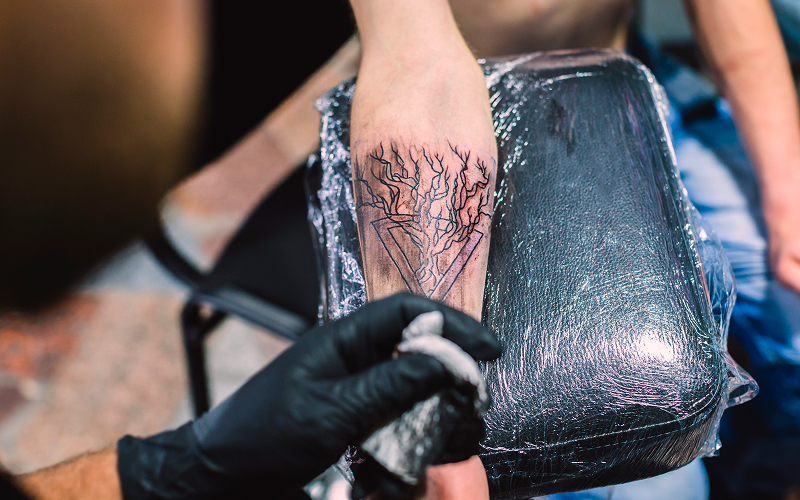
Maintaining healthy skin does not stop once the tattoo heals. Moisturising regularly, protecting against UV rays, and scheduling touch-ups when needed all play a role in keeping tattoos vibrant without harming the skin.
Dermatologists also recommend checking tattoos during routine skin examinations. This helps detect unusual changes such as abnormal moles or growths that may otherwise go unnoticed under ink.
Key Takeaways on Tattoo Safety
Getting a tattoo in Singapore is a blend of creativity and responsibility. From clean studios to proper aftercare, each step matters in protecting your skin. By choosing trained professionals, following hygiene rules, and caring for your skin daily, tattoos can remain both safe and meaningful.
Visit Best Picks to learn more about trusted tattoo studios and skin-safe practices in Singapore.