Singapore’s climate makes air conditioning essential, not optional. Whether you’re living in an HDB flat or working in a commercial office, staying cool isn’t just about comfort; it also affects health, productivity, and energy costs. But here’s the problem: not all air conditioning servicing lives up to expectations. Some providers offer little more than a superficial clean. Others skip necessary steps, leaving dirt and bacteria inside your unit. Over time, this neglect leads to poor air quality, high electricity bills, and premature system failure.
Choosing a reliable air conditioning service means enjoying better air quality, more efficient energy use, and longer-lasting equipment. It also means choosing peace of mind. You want to know your unit performs safely, efficiently, and reliably, day after day.
This guide breaks down everything you should expect from a good air conditioning service in Singapore, from inspection and cleaning to how it improves indoor air quality and energy efficiency. Spot the signs of skilled technicians, learn how maintenance prevents breakdowns, and see why a reliable service partner makes all the difference.
The Basics of Good Aircon Service
Professionals offering good air conditioning service always begin with a detailed inspection. Technicians aren’t just wiping surfaces; they’re evaluating how the system performs, spotting weak components, and recommending real solutions.
A good air conditioning service goes beyond surface-level cleaning. It ensures every part of the system runs at full efficiency while keeping your indoor air clean and safe. Knowing what goes into a proper service visit helps you identify whether you’re getting real value or just a rushed job.
Full-System Inspection from the Start
Every proper servicing job begins with a complete system check. The technician inspects the compressor, evaporator coils, fan motor, and refrigerant levels. This step sets the tone for the rest of the process. A good air conditioning service involves using pressure gauges and thermometers to compare actual performance against manufacturer standards.
Skilled providers examine the casing, electrical wiring, and airflow output before starting any cleaning, which lets them catch hidden issues like weak airflow or electrical resistance early. Quality service also includes a temperature differential test between intake and output. If the air blowing out isn’t cold enough, the problem is addressed on the spot.
You should expect clear documentation of these inspections. Providers who skip this step often miss deeper mechanical problems, which end up costing more down the line.
Deep Cleaning of Internal Components
Good aircon service always includes deep cleaning, not just wiping down filters. The technician disassembles parts to access internal components such as the blower wheel, coil fins, and drain pan.
Coils often collect dust and moisture, forming thicker grime that blocks heat exchange. Proper cleaning involves brushing and flushing these coils, then drying them before reassembly. A clean coil improves cooling speed and reduces the compressor’s workload.
The blower wheel and fan blades also require washing. Dirty blades disrupt air circulation, which increases noise and reduces comfort. A technician removes them carefully, washes them with chemical solutions, and reattaches them securely.
Even filters need more than a quick rinse. In a good air conditioning service, technicians soak filters in antiseptic or anti-bacterial solutions to kill mould spores and bacteria. Clean filters ensure your air stays fresh longer, especially in high-use environments.
Drain Line and Condensate Tray Servicing
Clogged drain lines are one of the top causes of water leakage and mould in indoor units. Good aircon service always includes thorough flushing of the drain pipe and cleaning of the tray.
Technicians use vacuum pumps or pressurised water to force blockages out. This prevents water backflow, which could lead to fungal buildup and unpleasant odours. The condensate tray, which collects water before draining out, also receives disinfection. A dirty tray promotes bacterial growth quickly, especially in humid Singapore environments.
A blocked drain can damage ceilings, floors, and paint. Regular flushing keeps water flowing freely, making this step essential—not optional. Providers skipping this cleaning stage put your unit and property at risk.
Tightening, Lubrication, and Final Adjustments
Every moving part in your unit vibrates, loosens, or wears over time. A good aircon service tightens all screws, nuts, and fan mounts. Loose parts increase noise, reduce stability, and lead to breakdowns.
Lubrication of fan bearings and motors also matters since dry motors burn out faster and produce more friction. However, by applying the right lubricants, the technician reduces wear, including energy consumption, while extending the unit’s life.
Before wrapping up, technicians conduct final airflow tests to ensure the unit distributes air evenly, without rattling or delay. Thermostat calibration ensures your desired temperature matches what the room receives. This final pass guarantees everything performs smoothly until the next service.
How Servicing Affects Energy Efficiency
Units with dirt buildup or failing parts use more power, as you’ll feel less cold despite higher energy bills. A good air conditioning service prevents this waste by restoring mechanical balance.
During service, technicians clean or replace clogged filters, allowing air to move freely. They adjust refrigerant levels so the unit cools without overworking the compressor.
Technicians also calibrate thermostats and sensors. If your system doesn’t shut off when it should, it might run longer than needed. Good air conditioning service identifies and corrects this, reducing energy load.
Small faults, like low refrigerant or worn fan belts, can force parts to work harder. An early service cuts strain and lowers electric use. Results are immediate and show on monthly bills.
Supporting Respiratory Health and Air Quality Through Professional Servicing
Singapore’s climate traps heat, humidity, and airborne pollutants indoors. Without a well-maintained air conditioner, allergens, bacteria, and mould thrive, which makes indoor air more hazardous than outdoor air. A good air conditioning service directly improves air quality and helps reduce respiratory issues by cleaning internal systems and removing triggers.
Reducing Dust and Particulate Accumulation
Dust builds up quickly in closed spaces since air conditioners draw in particles that collect on filters, coil fins, and fan blades. Over time, these create blockages and reintroduce fine particles back into the room. Poor servicing allows these micro-particles to linger and circulate, especially in units that run 8 to 12 hours daily.
Good air conditioning service prevents this. Technicians use pressurised water or blowers to flush out deeply embedded dust from coils and fans. They sanitise filters and vacuum ductwork, leaving no loose particles behind. Rooms feel fresher immediately, and breathing becomes easier—especially for those with mild asthma or sinus sensitivity.
Clean systems also prevent dust from settling on furniture, curtains, and electronics. This reduces the overall dust load inside the home, helping households maintain cleaner spaces for longer.
Preventing Mould and Bacteria Buildup
Constant humidity can accelerate mould and bacterial growth in air conditioning systems. Drain lines and pans tend to stay damp, which makes it conducive for bacteria and fungus to thrive and release spores into the airflow if further left unchecked. Inhaling them regularly can trigger allergies, headaches, or respiratory distress.
Good aircon service targets this risk directly. Technicians use mould-killing solutions to clean the drain tray, flush the pipes, and wash internal cavities. They also use anti-bacterial sprays or steam cleaning methods on components prone to contamination. These steps eliminate microbial colonies before they spread into the air you breathe.
Regular servicing blocks musty smells and stops visible mould patches from growing on vents or walls. It preserves the health of infants, the elderly, and anyone sensitive to indoor pollutants.
Filtering Out Allergens and Airborne Irritants
Common allergens, like pet dander, pollen, and fabric fibres, circulate more in homes where air filters remain clogged or neglected. A neglected air conditioning unit won’t trap these irritants effectively. Instead, they get blown around the room repeatedly, inflaming skin, eyes, and sinuses.
A good air conditioning service ensures filters are washed, disinfected, or replaced when necessary. Technicians often upgrade filters to higher-grade models if the user has specific allergy needs. HEPA or electrostatic filters offer better particle trapping and can make a noticeable difference in air purity within hours.
Service also improves ventilation, where fresh air intake and balanced cooling reduce stagnant air pockets. This lowers the chances of pollen or odours settling indoors. Clean airflow soothes the respiratory system and reduces the dependency on dehumidifiers or purifiers.
Creating a Stable, Breathable Indoor Environment
Inconsistent cooling and poor humidity control make interiors uncomfortable and unsafe. Rooms feel muggy, and the air may turn stale quickly, especially after an extended period of use. These conditions worsen existing respiratory issues and disrupt rest.
Good air conditioning service resets your system to proper function, where it balances cooling cycles, clears airflow paths, and aligns refrigerant levels to lessen the strain while maintaining breathable air quality. The service makes the temperature much more consistent, enhances sleep, productivity, and mood.
In homes with elderly individuals, children, or pets, stable air quality becomes a mandatory health requirement. Regular servicing turns your AC into a reliable shield against Singapore’s damp and dusty environment.
Indicators of Reliable and Skilled Technicians
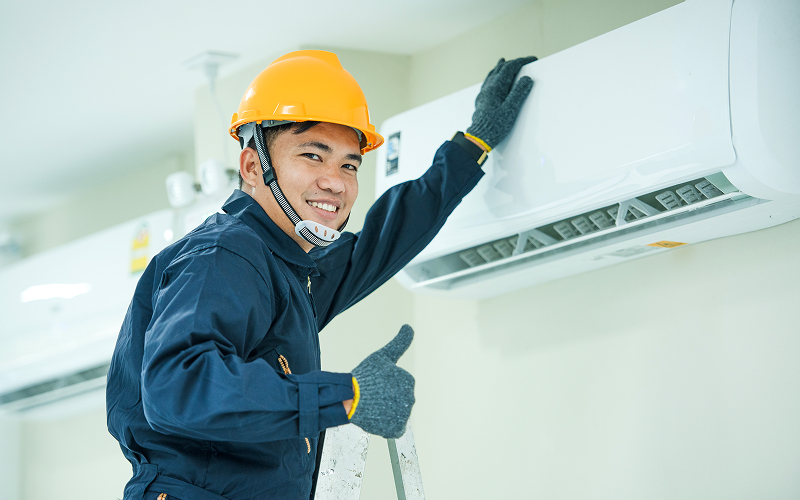
Choosing a service provider means more than checking price or availability. Identifying reliable, skilled technicians is key to receiving good air conditioning service consistently. Professionals show their expertise not only through results, but also through how they approach the job.
Clear Communication and Professional Conduct
Skilled technicians always begin by explaining the service scope clearly. They outline what tasks they will complete, how long it will take, and what condition to expect afterwards. You’ll notice they diagnose, not guess. Before they clean anything, they walk you through their findings.
Good aircon service includes written checklists, before-and-after photos, and system reports. Professionals ensure transparency. They don’t make assumptions or skip over problems. They ask questions about how your unit performs and address complaints with clarity.
Uniforms, tools, and punctuality also signal professionalism. If a technician shows up late, without tools, or hesitates when asked basic questions, they may lack the experience needed for long-term results.
Technical Skill and Equipment Use
Technicians delivering good air conditioning service work confidently with thermal scanners, pressure gauges, and multimeters. They calibrate thermostats, check refrigerant pressure precisely, and detect hidden airflow blockages using proper equipment—not guesswork.
Good providers do fine-tune beyond cleaning. For example, a reliable technician spots early signs of compressor wear by listening to motor noise or identifying temperature inconsistencies at coil output. These small observations prevent major breakdowns later.
Less experienced technicians may rely on superficial cleaning. They focus on filters, ignoring essential internals like the fan motor or evaporator coil. Skilled ones take their time disassembling units, washing parts, and reassembling correctly.
Strong After-Service Support
Good aircon service doesn’t end after the technician leaves. Skilled providers follow up if needed. They offer service reports, warranties, and advice on how to keep the unit in good condition between visits.
Some will recommend a realistic maintenance schedule, not just a sales pitch. If they notice weak parts or ageing units, they explain options clearly and only suggest replacements when truly necessary.
Reliable professionals encourage feedback and provide direct contact channels if issues return after the visit. This aftercare proves they stand behind their work and value long-term client trust.
ALSO READ: Best Aircon Servicing & Repairing Companies in Singapore (2025 Updated!)
Preventing Breakdowns Through Regular Checkups
Air conditioning systems in Singapore run hard through humid, sweltering days. Without regular checkups, components degrade, airflow weakens, and sudden breakdowns become unavoidable. Good aircon service prevents these failures by spotting wear early and keeping every moving part in optimal condition.
Technicians carry out proper maintenance checks for refrigerant leaks, compressor pressure drops, fan motor resistance, and coil corrosion. These signs usually develop quietly but escalate quickly when ignored. Servicing the unit before these issues worsen helps preserve function without waiting for a full breakdown.
Good air conditioning service includes monitoring electrical loads and tightening wire connections. Power surges or unstable voltage strain the system. Left unresolved, they burn out circuit boards or trip the fuse repeatedly. Professional technicians measure and stabilise these readings to avoid damage.
Seasonal changes can also affect performance. Units working fine in rainy months may overheat during dry spells. Technicians adjust the system to handle increased usage as Singapore’s climate shifts. Keeping the unit ready year-round reduces sudden failures, especially during peak heat.
With consistent servicing, parts stay cleaner, motors run cooler, and components last longer. You avoid emergency callouts, long downtimes, or major repair costs. Instead of reacting to problems, you keep the system operating smoothly day after day.
Saving Energy Through Regular Aircon Servicing
Air conditioning units lose efficiency as they accumulate dust, moisture, and mechanical stress. Without servicing, clogged filters and blocked coils force compressors to work harder, drawing more electricity. You start noticing rising bills even when the temperature remains unchanged.
Good air conditioning service restores balance by cleaning filters, unclogging drain lines, and adjusting refrigerant levels. These adjustments allow smoother airflow, faster cooling, and less energy use. Properly tuned systems cycle on and off as designed without overcooling or running too long.
Technicians also calibrate thermostats and examine blower motor efficiency. Accurate thermostat readings stop the unit from running past its required temperature. A well-functioning blower spreads air evenly, reducing the burden on the compressor and keeping the temperature consistent throughout the room.
Dirty evaporator coils reduce heat exchange efficiency. The system struggles to cool, drawing more current and raising power use. Servicing restores coil condition, helping the unit cool faster and shut down sooner.
Frequent servicing builds lasting efficiency that cuts down hidden energy waste and allows for faster temperature control. Good air conditioning service directly lowers energy bills by making every component work less to achieve more.
Avoiding Major Repairs with Proactive Maintenance
Unplanned aircon breakdowns in Singapore often trace back to minor issues left unresolved. A small refrigerant leak, loose wiring, or failing sensor can escalate quickly. Proactive maintenance prevents these problems from turning into costly failures.
Technicians performing good air conditioning service track wear-and-tear indicators. They measure voltage fluctuations, compressor pressure, and fan performance. These diagnostics reveal parts nearing failure before they actually fail. Replacing a worn fan belt costs little. Waiting until it snaps risks a complete system shutdown.
Blocked drain lines and coil buildup also create hidden problems. Water backflow can damage electrical components, while overheated coils wear out compressors faster. Regular cleaning prevents these issues and protects surrounding equipment from collateral damage.
Worn insulation, rusting brackets, and noisy motors also signal deeper mechanical stress. Skilled technicians spot and resolve these early, tightening mounts or applying anti-corrosion treatments before damage spreads.
Delaying service may seem cheaper, but it leads to high-cost repairs. A good air conditioning service provider keeps your unit running without major hiccups. You stay ahead of failures and avoid urgent technician callouts at inconvenient times.
Extending the Lifespan of the Unit
Well-maintained air conditioners in Singapore last longer, sometimes double the lifespan of poorly maintained units. Regular servicing removes strain on key components, allowing them to function without overload or overheating.
Compressors fail early when refrigerant levels drop, airflow weakens, or coils stay dirty. Good air conditioning service protects compressors by keeping internal pressures stable. Clean coils and filters improve ventilation, reducing thermal load. The unit doesn’t need to overwork to achieve set temperatures.
Servicing also keeps motors lubricated and cooling fans balanced. These steps protect bearings, prevent friction, and reduce power draw. Over time, motors stay stronger and quieter, reducing replacement needs.
Technicians tighten electrical contacts and stabilise voltage delivery. This protects circuit boards and sensors from shorts, surges, and burnout. Timely cleaning of condensate pans and drainage lines also prevents rust and water exposure—two leading causes of corrosion and part failure.
Extending unit lifespan saves money, but it also avoids waste. You keep your environment sustainable by reducing disposal needs and preventing unnecessary hardware upgrades. Good aircon service offers long-term stability, turning an average unit into a lasting asset.
Cost Breakdown: Why Preventive Servicing Pays Off

Preventive servicing feels optional until the first breakdown. Emergency air conditioning repairs in Singapore cost significantly more than routine maintenance. Good air conditioning service prevents emergencies, balances energy usage, and delays expensive replacements.
Basic servicing may cost a fraction of full system repairs. Replacing a failed compressor or control board costs five to ten times more. Waiting too long means paying for parts, labour, transport, and downtime, which are all avoidable with scheduled checkups.
Energy savings also add up. A poorly maintained unit draws excess power daily. Multiply this over months, and your utility bill shows the impact. Servicing keeps performance steady, cutting operating costs by 10–30% in many cases.
There’s also the indirect cost of discomfort. An uncooled room affects sleep, productivity, and well-being. Fast fixes are harder to arrange during peak demand periods, especially mid-year in Singapore. Scheduled service prevents stress and keeps your home or office cool without delay.
Long-term savings come from avoiding emergency costs, running the system efficiently, and extending unit life. You preserve your investment and keep your budget predictable—all signs of a good aircon service.
How to Build a Reliable Servicing Schedule in Singapore
Singapore’s climate requires more frequent air conditioning checkups than temperate regions. High humidity, daily use, and airborne pollutants create faster wear and more buildup. Building a reliable service schedule ensures your unit performs year-round without sudden failures.
Experts recommend servicing residential units every three to six months, depending on usage. Households with children, elderly family members, or pets should lean toward more frequent visits. Offices and commercial units require quarterly or even bi-monthly checks due to continuous use.
Work with technicians offering reminders or subscription options. This removes the burden of remembering schedules. Some providers log service history, allowing better tracking of performance and part changes.
Good air conditioning service includes forecasting. Technicians advise on part ageing, refrigerant levels, and any early-stage wear. Use this feedback to plan minor replacements before issues escalate. Don’t wait until the system fails; use data from regular servicing to time upgrades smartly.
Add servicing dates to your digital calendar. Schedule visits before peak heat periods like May or August. This ensures full function before load increases. Consistency, not crisis, defines reliable maintenance.
Final Thoughts
Breathing better indoors begins with recognising how much your air conditioning system affects daily life, far beyond just cooling. In a constant humid climate, skipping maintenance compromises comfort, air quality, and even health. A good air conditioning service helps households and businesses protect their environment by ensuring every part of the system performs safely, efficiently, and quietly.
From detailed inspections to professional cleaning, skilled technicians do more than tick boxes; they understand the unique challenges your home or workplace faces. They diagnose before they clean, optimise before they leave, and improve more than just airflow. Their work lowers electricity use, extends equipment lifespan, and reduces the risk of emergency breakdowns when you need cooling most.
Good air conditioning service gives control back to you. You decide how often to schedule maintenance, how clean your air stays, and how reliable your indoor space feels. Instead of reacting to failures, you begin taking proactive steps to protect your space and everyone in it.
Air conditioning may feel like a background function, but once maintained properly, it becomes a consistent source of comfort, savings, and health. When clean indoor air is essential, not optional, regular, quality servicing makes all the difference.
For more insights into healthier living, practical technology, and smart lifestyle choices, visit Best Picks—your trusted resource for health, travel, education, and everyday living in Singapore.