
Buying from an auto dealer’s used cars section can feel like walking into a maze. Options everywhere, features thrown around, and miles of jargon, yet buyers who walk in with a strong technical eye usually walk out with a better deal and fewer regrets. Technology reveals things the naked eye misses, and that is exactly where a prepared buyer gains an edge. Below are six checks that bring clarity, confidence, and control to any used-car purchase.
1. Diagnostic Scan First, Talk Later
A modern car tells on itself. Plug in a basic OBD-II scanner, using specialised tools, and it exposes warning codes that sellers rarely mention upfront. You see engine misfires, emission issues, gearbox errors, airbag alerts, and a few electrical complaints. Most of the time, these issues hide behind dashboard lights that were “conveniently” reset before sale.
Running a scan before committing gives you a quick snapshot of the car’s electronic health. It is faster than manual inspection, more honest than sales talk, and gives you leverage when negotiating for an auto dealer’s used cars. Used cars with clean reports usually reflect responsible previous ownership. If codes appear, you know what repairs you are signing up for instead of learning the hard way after the purchase, which is extremely crucial if you are inspecting one of an auto dealer’s used cars.
2. Inspect the Infotainment System Like You Would Your Phone
The infotainment unit tells a surprising amount about how the car has aged. Tap through the menus. Pair your phone. Test Bluetooth stability. Run navigation. Check if the touchscreen responds evenly. An unresponsive screen or system lag hints at deeper electrical wear. Some buyers can easily overlook this, thinking it is minor, until they face the cost of replacing display modules.
Pay attention to speaker balance, too. A left-only audio output may sound like a harmless glitch at first, but it could point to wiring deterioration. When buying from an auto dealer, used cars with clean infotainment behaviour often indicate that the owner treated the vehicle well and avoided DIY wiring modifications.
3. Headlights, Sensors, and Cameras: Observe Behaviour, Not Just Function
A headlight that turns on is good. A headlight that flickers, dims unevenly, or shows moisture on the inside tells another story. These things signal poor sealing, past collisions, or worn electrical relays. Small? Maybe. But they reveal how the car was handled long before you saw it.
Once done with the lights, move to the reverse cameras and parking sensors. Watch for delays. A lagging camera feed or sensors that beep inconsistently might appear harmless, but they indicate potential module faults. Most auto dealers’ used cars with smooth sensor feedback usually sit in better electrical condition overall.
4. Study the Dashboard During Ignition, Not After
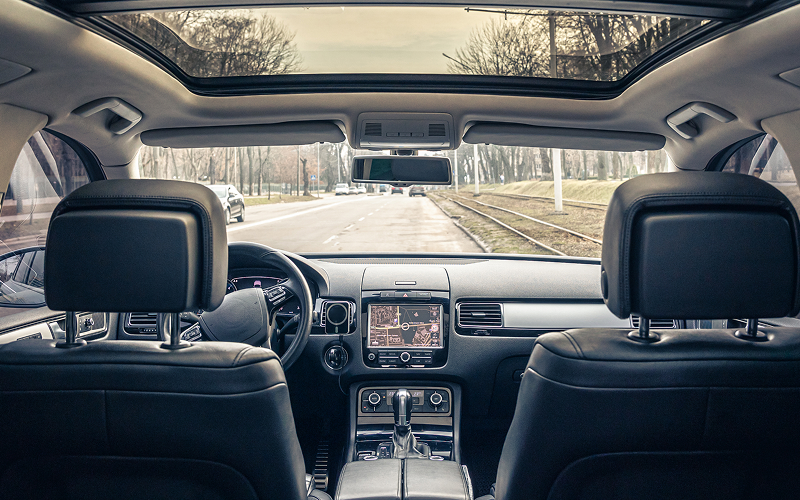
Most used-car buyers glance at the dashboard only after the engine settles. The real clues appear during ignition. Watch every light; pay attention to how long they stay on. Warning indicators that vanish too quickly could have been reset. Indicators that linger too long reveal issues struggling to clear.
Cars communicate through those lights. Engine, ABS, traction control, coolant, transmission; each has something to say. A quiet dashboard after start-up is a good sign, but the behaviour before that moment is what reveals the truth. This small observation gives you an advantage before discussing figures with any auto dealer selling used cars.
5. Use a Thermal Check After a Short Test Drive
A quick test drive warmed the car. Now place your hand gently near (not on) the engine bay, tyres, wheel arches, and exhaust area. You are not checking temperature alone—you are checking temperature symmetry. One tyre noticeably warmer than the others? Alignment or brake calliper concerns. Excess heat near the gearbox area? Wear or insufficient lubrication may be building up. A hotter-than-usual engine bay could indicate clogged components or hidden coolant issues.
This tech-inspired check works because heat patterns do not lie. Any auto dealer’s used cars that perform consistently under heat usually prove more reliable in long-term ownership.
ALSO READ: Rethinking Car Buying: A Quick Lifestyle Guide to Navigating Auto Car Marts in Singapore
6. Verify ECU Data Patterns for Driving History
Many buyers do not know that the car’s electronic control unit (ECU) stores driving patterns. Some independent tools can show acceleration habits, braking behaviour, idle duration, fuel mix patterns, and even the average load stress the car experienced. This data paints a picture of the previous driver’s habits.
A car that shows smooth, consistent driving behaviour over the years tends to age better. Sudden spikes, aggressive acceleration patterns, or unusually long idling times suggest rough use. Knowing this lets you evaluate whether the car still has a healthy lifespan ahead. For anyone scanning options in any auto dealer’s used cars, ECU history sharpens decision-making more than any surface-level inspection.
Final Thoughts
Used-car browsing does not need to feel like a gamble. With a strong tech-check mindset, buyers stay ahead of surprises and negotiate from a place of confidence. These six checks do not replace a full mechanical inspection, but they give you a decisive early read on whether a car deserves your attention or an exit.
If you want clearer, practical guides like this to sharpen your daily decisions, visit Best Picks for tips and insights that improve your everyday life.