Taking up private piano lessons in Singapore can be a rewarding decision, whether you’re a beginner with dreams of playing your favourite melodies or an intermediate player hoping to refine your skills. The piano remains one of the most popular instruments for both adults and children, largely due to its versatility and rich musical tradition. However, diving into one-on-one sessions involves more than just booking a tutor and sitting at the keyboard. There are essential considerations that every aspiring pianist in Singapore should weigh carefully to ensure they receive the best learning experience possible.
1. Understand Your Learning Goals
Prior to signing up for piano lessons in Singapore, it is essential that you think about what exactly you aim to accomplish. Are you looking to prepare for ABRSM exams, play recreationally for enjoyment, or acquire the skills necessary to write your music? Having defined goals will determine how your lessons go and enable your teacher to modify the course to fit your demands.
For example, a student aiming for classical certification will require structured, progressive lessons focusing on technique, sight-reading and theory. In contrast, a casual learner might benefit more from a relaxed pace that emphasises familiar tunes and basic improvisation. By understanding your goals early, you’ll be able to communicate your expectations and avoid frustration later down the road.
In Singapore, numerous piano instructors have diverse areas of interest and musical expertise. Being able to clearly state your aspirations will enable you to locate an instructor who specialises in areas relating to your goals. This makes learning the piano in Singapore more personal and purposeful.
2. Pick the Right Teacher
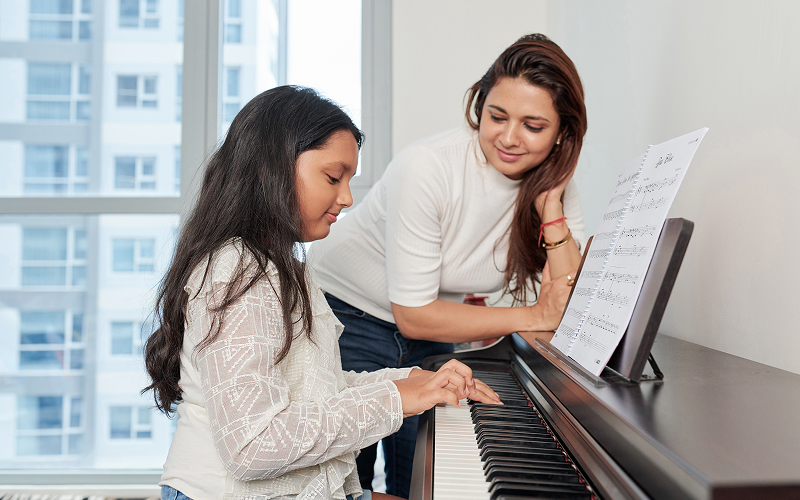
The success of individual piano lessons in Singapore many times rests on the relationship between student and teacher. Although qualifications and experience are key considerations, personal qualities and approach can be equally significant. Some teachers are strict and systematic, whereas others tend to be less formal and spontaneous.
An effective pairing can promote motivation and consistency, especially for younger students or working professionals who require some prodding to remain on course. Trial lessons are a common practice with many tutors, and this can prove to be an invaluable chance to see how they work, evaluate communication effectiveness, and whether they promote confidence and ease of use in you or your child.
Parents looking for piano lessons in Singapore for their kids should also evaluate how teachers interact with younger students. A teacher who has training in childhood education might introduce enjoyable, interactive methods that encourage long-term enjoyment of music. For adults, a teacher who is considerate of your schedule and learning style can assist you in moving forward effectively, even if time is of the essence.
ALSO READ: How to Choose the Right Piano Teacher in Singapore for Young Learners
3. Think about the Learning Environment
Another significant factor when learning piano lessons in Singapore is where they are conducted. Some students like to go to the teacher’s studio, which could provide a quiet space with an excellent piano, books, and other study materials. Others value the comfort of home lessons, particularly when balancing school or work schedules.
Live lessons have long been the standard, but in the last few years, virtual piano classes have become more popular. They offer more flexibility and eliminate travel, but they demand a good internet connection as well as the setup in a home environment with a properly tuned instrument, steady camera angle, and quiet space.
Regardless of the format you pick, the setting is responsible for your success. Your confidence and concentration can significantly increase in a setting where you are at ease and thoroughly supported. Intentionally designing your setting for piano classes in Singapore means every lesson is productive and fun.
4. Budget and Commitment Level
It is worth noting that Singapore private piano lessons are a money and time investment. Fees differ based on the qualifications, level of experience, and lesson length of the instructor. Some of the more experienced tutors or acclaimed musicians can charge higher fees, particularly if they teach preparation for diplomas or competitions.
In addition to lesson costs, you would also require the expense of study materials, test fees, and perhaps even a good instrument if you don’t have one. A digital piano with weight-sensitive keys may be adequate for beginners, but those who seek advanced training must ultimately practice on an acoustic model.
Consistency is the mainstay in musical development, and weekly attendance is paramount. If you’re doubtful about your weekly commitment, take a step down and begin with half a week or fortnightly lessons. Remaining realistic about your availability helps avoid burnout and allows you to reap the full benefit of each lesson. Piano lessons in Singapore are only as good as the effort and consistency you’re prepared to give.
Fostering Long-Term Development
Well, while most students take piano lessons in Singapore with short-term goals, a long-term view is important, since piano progress does not happen overnight. Building foundational skills, musicality, and confidence takes months or even years of solid practice and patient instruction.
To get the most from your lessons, adopt frequent self-evaluation and goal check-ins. A practice journal, audio-recording your performances to receive feedback, or participation in student recitals when available, can be useful. These milestones, no matter how small, provide encouragement and tangible markers for progress.
In Singapore’s lively music education scene, you won’t have difficulty getting support through performance opportunities, community events, or collaborations. Keeping abreast of these can assist you in maintaining interest and developing your musical voice even outside of your usual lessons.
The Takeaway
Private piano lessons in Singapore are an intensely personal process that returns proportionate dividends for careful consideration and introspection. From determining your objectives and selecting a compatible teacher to designing the appropriate learning space and enduring the test of time, every step sets the stage for a satisfying experience. Whether for enjoyment, success, or enrichment for a lifetime, the lessons you undergo today will define your musical destiny.
Check out Best Picks for more tips and advice on piano lessons in Singapore and other learning adventures.